

Yo, folks! As a supplier of Intel AIO coolers, I often get asked about the lifespan of these bad boys. So, I thought I'd break it down for you in this blog post.
First off, let's talk about what an AIO cooler is. AIO stands for All-In-One, and it's a type of liquid cooler that comes pre-filled and sealed. These coolers are designed to keep your CPU running at optimal temperatures, especially if you're into overclocking or running resource-intensive applications.
Now, the lifespan of an Intel AIO cooler can vary depending on a few factors. One of the biggest factors is how you use it. If you're constantly pushing your CPU to its limits, the cooler will have to work harder, which can shorten its lifespan. On the other hand, if you're using your computer for basic tasks like web browsing and word processing, the cooler won't have to work as hard, and it may last longer.
Another factor that can affect the lifespan of an Intel AIO cooler is the quality of the cooler itself. There are a lot of different AIO coolers on the market, and not all of them are created equal. Some coolers are made with higher-quality components and are designed to last longer than others. As a supplier, I always recommend choosing a reputable brand and model that has a good track record of reliability.
So, how long can you expect an Intel AIO cooler to last? Well, on average, you can expect an AIO cooler to last anywhere from 3 to 5 years. However, this is just an estimate, and some coolers may last longer or shorter depending on the factors we discussed earlier.
One way to extend the lifespan of your Intel AIO cooler is to take good care of it. This means keeping it clean and free of dust and debris, and making sure it's properly installed and maintained. You should also avoid overclocking your CPU too much, as this can put extra stress on the cooler and cause it to wear out faster.
In addition to taking good care of your cooler, you may also want to consider upgrading it every few years. As technology advances, new and better coolers are being developed, and upgrading your cooler can help keep your CPU running at optimal temperatures and extend its lifespan.
Now, let's talk about some of the other types of CPU coolers that are available. If you're not interested in an AIO cooler, there are also air coolers and heatpipe radiators. Air coolers are a popular choice for many computer users because they're relatively inexpensive and easy to install. They work by using a fan to blow air over a heatsink, which helps dissipate heat from the CPU. You can check out our Computer Cooler Fan with Alloy Aluminium CPU Heat Sink for a great air cooling option.

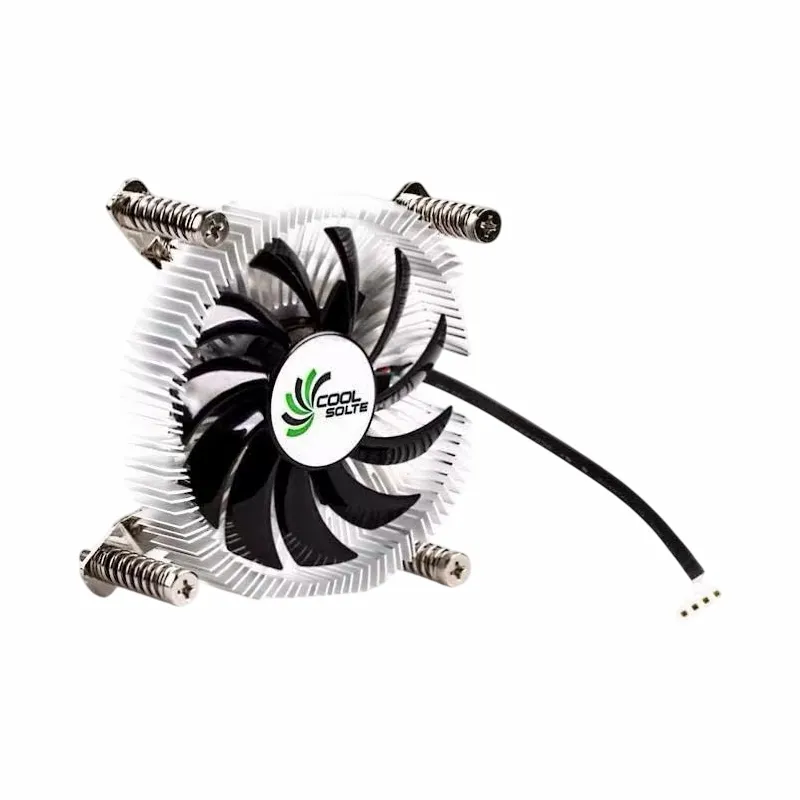
Heatpipe radiators, on the other hand, are a more advanced type of cooler that use heat pipes to transfer heat from the CPU to a radiator. These coolers are more expensive than air coolers, but they're also more efficient and can provide better cooling performance. If you're looking for a high-performance cooler, you might want to check out our Copper CPU Heatpipe Radiator for AMD Intel.
And if you're in the market for an air cooler that's specifically designed for CPU cooling, we also have an Air Cooler Fans Cooling Heat Sink for CPU that's worth checking out.
In conclusion, the lifespan of an Intel AIO cooler can vary depending on a few factors, but on average, you can expect it to last anywhere from 3 to 5 years. By taking good care of your cooler and upgrading it every few years, you can help extend its lifespan and keep your CPU running at optimal temperatures. If you're interested in purchasing an Intel AIO cooler or any other type of CPU cooler, feel free to reach out to us for more information and to discuss your specific needs. We're here to help you find the right cooler for your computer and budget.
References:
- General knowledge from the computer hardware industry.
- Personal experience as an Intel AIO cooler supplier.