

Hey there, tech enthusiasts! As a supplier of Intel AIO coolers, I often get asked about the materials used in the radiators of these coolers. Today, I'm going to break it down for you and give you the lowdown on what makes up the radiator in an Intel AIO cooler.

What's an AIO Cooler Anyway?
Before we dive into the radiator materials, let's quickly go over what an AIO cooler is. AIO stands for All-In-One, and it's a type of liquid cooling system designed to keep your CPU nice and cool. It usually consists of a pump, a radiator, and fans. The pump circulates coolant through the system, absorbing heat from the CPU and transferring it to the radiator. The fans then blow air over the radiator, dissipating the heat into the surrounding environment.
The Key Material: Copper and Aluminum
The two most common materials used in the radiators of Intel AIO coolers are copper and aluminum. Both have their own unique properties that make them suitable for this application.
Copper
Copper is an excellent conductor of heat. It can quickly absorb the heat from the coolant and transfer it to the fins of the radiator. This means that it can efficiently dissipate heat, keeping your CPU at a lower temperature. Copper is also relatively durable and resistant to corrosion, which is important in a liquid cooling system.
One of our products, the Copper CPU Heatpipe Radiator for AMD Intel, is made with high-quality copper. The heatpipes are filled with a special coolant that helps to transfer heat even more effectively. The copper fins on the radiator provide a large surface area for heat dissipation, ensuring that your CPU stays cool under heavy loads.
Aluminum
Aluminum is another popular material for radiator construction. It's lightweight, which is a big advantage when it comes to installing the cooler in your PC. It's also relatively inexpensive, making it a cost-effective choice for many manufacturers.
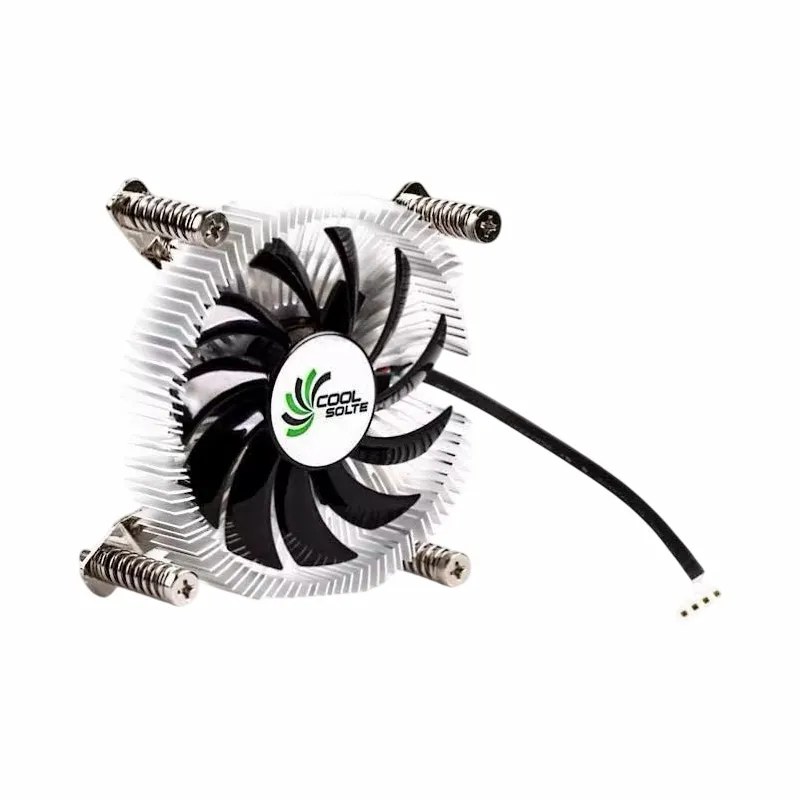
While aluminum isn't as good a conductor of heat as copper, modern manufacturing techniques have made it possible to produce aluminum radiators that are almost as efficient. Our Computer Cooler Fan with Alloy Aluminium CPU Heat Sink uses a special alloy aluminum that has been optimized for heat transfer. The fins are designed to increase the surface area, allowing for better air flow and more effective heat dissipation.
Other Materials and Design Considerations
In addition to the main material, there are other factors that can affect the performance of the radiator. For example, the thickness of the fins and the spacing between them can impact how well the radiator dissipates heat. A radiator with thinner fins and closer spacing will generally have a larger surface area, which means more heat can be transferred.
The design of the tubes or channels in the radiator also plays a role. The coolant needs to flow smoothly through the radiator to ensure efficient heat transfer. Some radiators use a micro-channel design, which provides a large surface area for heat transfer and allows for better coolant flow.
Comparing Copper and Aluminum Radiators
So, which is better: copper or aluminum? Well, it depends on your specific needs and budget.
Performance
If you're looking for the best performance, copper radiators are usually the way to go. They have a higher thermal conductivity, which means they can transfer heat more quickly and efficiently. This is especially important if you have a high-end CPU that generates a lot of heat.
Cost
On the other hand, if you're on a budget, aluminum radiators are a great option. They're less expensive than copper radiators, but still offer good performance. They're also lighter, which can be an advantage if you're building a portable PC or if you're concerned about the weight of your system.
Corrosion Resistance
Copper is more resistant to corrosion than aluminum. This means that copper radiators are less likely to develop leaks or other problems over time. However, modern aluminum radiators are often coated with a protective layer to prevent corrosion.
Our Product Range
As an Intel AIO cooler supplier, we offer a wide range of products to meet the needs of different customers. In addition to the copper and aluminum radiators I mentioned earlier, we also have Air Cooler Fans Cooling Heat Sink for CPU. These air coolers are a great option for those who want a simple and cost-effective cooling solution.
Our air coolers use high-quality fans and heat sinks to provide efficient cooling. They're easy to install and require minimal maintenance. Whether you're a casual gamer or a professional overclocker, we have an air cooler that's right for you.
Why Choose Us?
We're committed to providing our customers with high-quality products and excellent customer service. All of our products are tested to ensure that they meet the highest standards of quality and performance. We also offer a warranty on all of our products, so you can buy with confidence.
If you're in the market for an Intel AIO cooler or any other cooling solution, we'd love to hear from you. Whether you have questions about our products, need help choosing the right cooler for your system, or are interested in placing an order, don't hesitate to reach out. We're here to help you keep your PC running cool and efficient.
Conclusion
In conclusion, the radiator in an Intel AIO cooler is typically made of either copper or aluminum. Both materials have their own advantages and disadvantages, and the choice between them depends on your specific needs and budget. As a trusted supplier of Intel AIO coolers, we offer a wide range of products to meet the needs of different customers. If you're interested in learning more about our products or placing an order, please don't hesitate to contact us. We look forward to working with you!
References
- PC Mag: "How to Choose a CPU Cooler"
- Tom's Hardware: "The Best CPU Coolers for 2024"
- AnandTech: "CPU Cooling 101"