

Hey there, tech enthusiasts! As a supplier of low profile AIO coolers, I've been getting a lot of questions lately about the long - term reliability of these nifty little cooling solutions. So, I thought I'd sit down and share my thoughts on this topic.
Let's start with what a low profile AIO cooler is. For those of you who aren't in the know, an AIO (All - In - One) cooler is a type of liquid cooler that comes pre - filled and sealed. It's designed to efficiently transfer heat away from your CPU, keeping it running at optimal temperatures. A low profile AIO cooler, on the other hand, is a more compact version. It's great for small form factor builds, like mini - ITX cases, where space is at a premium.
Now, when it comes to long - term reliability, there are a few key factors we need to consider. First up is the pump. The pump is the heart of the AIO cooler. It circulates the coolant through the system, carrying heat away from the CPU to the radiator. A high - quality pump is crucial for long - term reliability. Most of the pumps in modern low profile AIO coolers are designed to last for a very long time. They're built with durable materials and advanced engineering to ensure smooth and consistent operation.
Another important factor is the radiator. The radiator is where the heat is dissipated into the surrounding air. A good radiator should have a large surface area and efficient fin design. This allows for better heat transfer and more effective cooling. For example, our Copper CPU Heatpipe Radiator for AMD Intel is made with high - grade copper heatpipes and a well - engineered fin structure. This combination ensures that heat is quickly and efficiently removed from the coolant, keeping your CPU cool even under heavy loads.
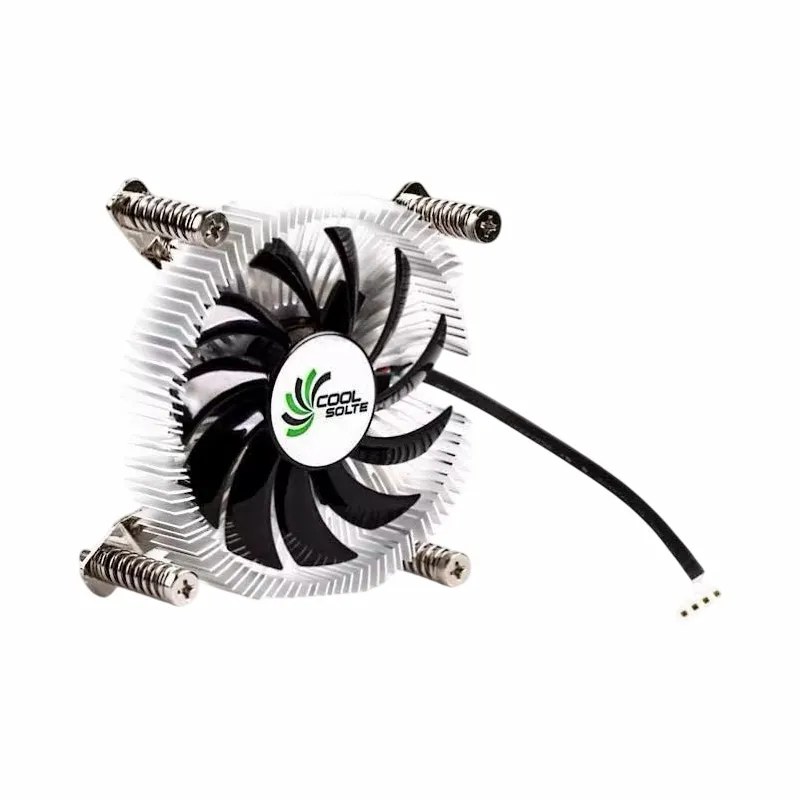
The fans also play a significant role in the long - term reliability of a low profile AIO cooler. Fans are responsible for moving air across the radiator, helping to dissipate the heat. High - quality fans are built to last. They have good bearings and are designed to operate quietly and efficiently. Our Computer Cooler Fan with Alloy Aluminium CPU Heat Sink is a great example. It's made with alloy aluminium, which is lightweight and durable. The fan blades are designed to move a large volume of air with minimal noise, making it ideal for long - term use.
One of the concerns that some people have about AIO coolers is the risk of leaks. While it's true that a leak can be a serious problem, modern low profile AIO coolers are designed with multiple layers of protection to prevent leaks. The coolant is usually sealed in a closed - loop system, and the components are carefully assembled to ensure a tight fit. Additionally, most manufacturers test their coolers rigorously before they hit the market to make sure they're leak - free.
Another aspect to consider is the compatibility of the low profile AIO cooler with your system. A cooler that isn't properly compatible with your CPU or case can lead to performance issues and potentially reduce its long - term reliability. It's important to choose a cooler that's specifically designed for your CPU socket type and that will fit comfortably in your case. For example, our coolers are available in a variety of sizes and configurations to ensure a perfect fit for different systems.
In terms of maintenance, low profile AIO coolers are generally very low - maintenance. Unlike air coolers, which may require regular cleaning to remove dust and debris, AIO coolers are sealed units. You don't have to worry about opening them up and cleaning the internals. However, it's still a good idea to keep an eye on the fan speeds and temperatures to make sure everything is running smoothly.
Now, let's talk about how our low profile AIO coolers stack up against traditional air coolers. Air coolers, like our Air Cooler Fans Cooling Heat Sink for CPU, have been around for a long time and are a popular choice for many users. They're generally more affordable and easier to install. However, when it comes to long - term reliability, AIO coolers have some advantages.
Air coolers rely on fans to blow air directly over the heat sink. Over time, dust and debris can accumulate on the heat sink, reducing its cooling efficiency. This can lead to higher CPU temperatures and potentially shorten the lifespan of your CPU. AIO coolers, on the other hand, are sealed units, so they're less susceptible to dust buildup. This means they can maintain their cooling performance over a longer period of time.
In addition, AIO coolers are often more efficient at transferring heat. The liquid coolant in an AIO cooler can carry heat away from the CPU more quickly than air, allowing for better cooling performance. This can be especially important for high - end CPUs that generate a lot of heat.
So, to sum it up, the long - term reliability of a low profile AIO cooler is quite good. With high - quality components, proper installation, and a little bit of care, these coolers can last for many years. They're a great choice for anyone looking to build a compact, high - performance PC.
If you're interested in learning more about our low profile AIO coolers or are thinking about making a purchase, we'd love to hear from you. We're here to answer any questions you might have and help you find the perfect cooler for your system. Whether you're a casual gamer, a content creator, or a professional in need of a reliable cooling solution, we've got you covered. So, don't hesitate to reach out and start a conversation about your cooling needs.
References:

- General knowledge of computer cooling technology
- Product specifications and testing results of low profile AIO coolers