

Dust is an omnipresent nuisance in our environment, and its impact on various electronic components cannot be underestimated. As a supplier of OPS CPU heat sinks, I've witnessed firsthand the long - term effects that dust can have on the performance of these crucial cooling devices. In this blog, I'll delve into the science behind dust accumulation and its implications for the long - term performance of OPS CPU heat sinks.
How Dust Accumulates on OPS CPU Heat Sinks
To understand the effect of dust on an OPS CPU heat sink, we first need to understand how dust accumulates on it. OPS (Open Pluggable Specification) CPUs are often used in high - performance computing environments, such as digital signage, kiosks, and industrial PCs. These devices generate a significant amount of heat during operation, and the heat sink is responsible for dissipating this heat to maintain optimal CPU performance.
The heat sink works by increasing the surface area available for heat transfer. It usually consists of fins and a base, often paired with a fan to enhance air circulation. As the fan draws in air to cool the heat sink, it also sucks in dust particles present in the surrounding environment. These dust particles can come from various sources, including airborne dirt, skin cells, and textile fibers.
Over time, the dust particles start to accumulate on the fins and other surfaces of the heat sink. The electrostatic charge on the heat sink and the air movement patterns can cause the dust to stick firmly to the surfaces, creating a layer of dust that gradually thickens.
Impact on Heat Transfer Efficiency
One of the most significant effects of dust on an OPS CPU heat sink is its impact on heat transfer efficiency. Heat transfer in a heat sink occurs through conduction, convection, and radiation. The fins of the heat sink are designed to maximize convection by increasing the surface area in contact with the air.
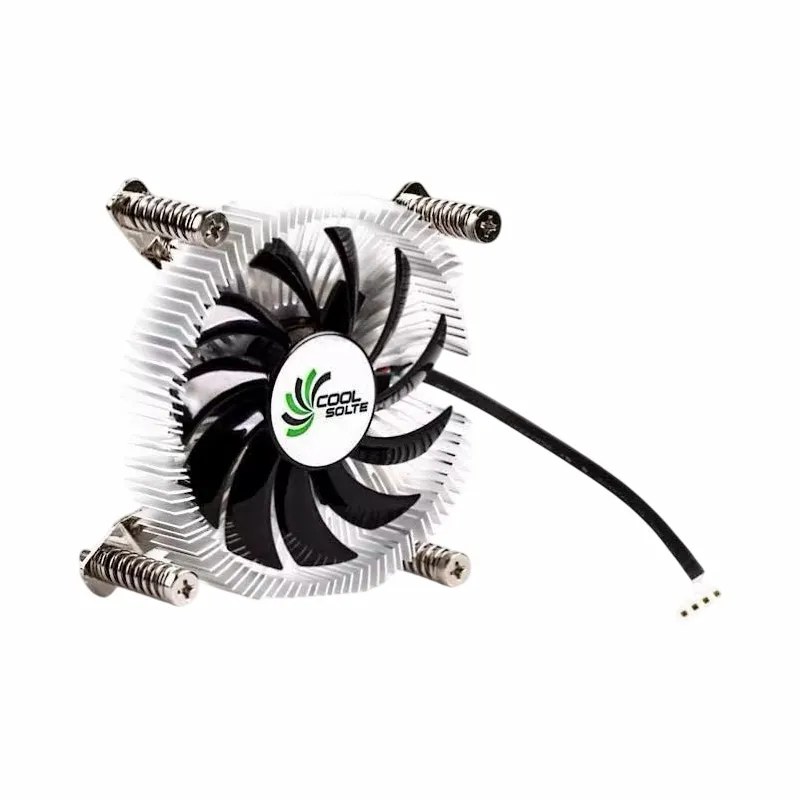

When dust accumulates on the fins, it acts as an insulating layer. Dust is a poor conductor of heat, so it reduces the rate at which heat can be transferred from the heat sink to the surrounding air. This means that the heat sink becomes less effective at dissipating the heat generated by the CPU.
As a result, the CPU temperature starts to rise. A higher CPU temperature can lead to a decrease in performance as modern CPUs are designed to throttle their speed to prevent overheating. Throttling reduces the processing power of the CPU, which can cause slowdowns in applications and overall system performance.
Effect on Airflow
In addition to reducing heat transfer efficiency, dust can also have a significant impact on airflow. The fan in the OPS CPU heat sink system is crucial for maintaining proper air circulation. It draws in cool air and expels hot air, creating a continuous flow of air over the heat sink.
However, when dust accumulates on the fan blades and in the air passages of the heat sink, it restricts the airflow. The dust can clog the small gaps between the fins, making it difficult for air to pass through. This reduces the amount of cool air that can reach the heat sink and the amount of hot air that can be expelled.
A reduction in airflow means that the heat sink is not receiving enough fresh air to cool it effectively. This further exacerbates the problem of overheating, as the heat is not being removed from the system as quickly as it should be.
Long - Term Damage to Components
Prolonged exposure to high temperatures due to dust - clogged heat sinks can cause long - term damage to the CPU and other components. High temperatures can accelerate the degradation of electronic components, leading to a shorter lifespan.
For example, the solder joints on the CPU and other circuit boards can become weakened over time due to thermal stress. This can cause intermittent connections or even complete failures. The capacitors and other electronic components can also be affected by high temperatures, leading to reduced performance and reliability.
Moreover, the fan in the heat sink system may also suffer from long - term damage. The increased load on the fan due to restricted airflow can cause the motor to overheat and wear out more quickly. This can result in fan failures, which will further compromise the cooling of the CPU.
Preventive Measures and Solutions
As a supplier of OPS CPU heat sinks, I understand the importance of preventing dust accumulation to ensure the long - term performance of these devices. There are several preventive measures that users can take:
- Regular Cleaning: Regularly cleaning the heat sink can help remove the dust and prevent it from building up. This can be done using compressed air or a soft brush. Compressed air can be used to blow out the dust from the fins and other hard - to - reach areas.
- Use of Dust Filters: Installing dust filters on the air intake of the heat sink can help prevent dust from entering the system in the first place. These filters can be easily cleaned or replaced, reducing the need for frequent internal cleaning.
- Proper Environment: Keeping the computer in a clean environment can also reduce the amount of dust that enters the system. Avoid placing the computer in dusty areas or near sources of airborne particles.
Our Product Solutions
At our company, we offer a range of high - quality OPS CPU heat sinks designed to minimize the impact of dust. Our Air Cooler Fans Cooling Heat Sink for CPU is engineered with advanced fin designs that promote better airflow and are less prone to dust accumulation. The fans are also designed to provide strong and consistent airflow, even in dusty environments.
Our Computer Cooler Fan with Alloy Aluminium CPU Heat Sink is made from high - quality alloy aluminum, which has excellent heat transfer properties. The alloy construction also makes the heat sink more durable and resistant to damage from dust and other environmental factors.
For those looking for a more advanced solution, our Copper CPU Heatpipe Radiator for AMD Intel uses copper heat pipes to enhance heat transfer efficiency. The heat pipes are designed to quickly transfer heat from the CPU to the fins, where it can be dissipated more effectively.
Contact Us for Purchasing
If you're in the market for high - quality OPS CPU heat sinks that can withstand the challenges of dust and ensure long - term performance, we'd love to hear from you. Our team of experts can provide you with detailed information about our products and help you choose the right heat sink for your specific needs. Whether you're a small business or a large enterprise, we have the solutions to meet your requirements. Contact us today to start the purchasing process and ensure the optimal performance of your CPUs.
References
- "Thermal Management of Electronic Systems" by Avram Bar - Cohen and Donald Q. Kern
- "Heat Transfer in Electronic Equipment" by R. K. Shah and D. P. Sekulic
- "Fundamentals of Heat and Mass Transfer" by Frank P. Incropera and David P. DeWitt