

When it comes to upgrading an OPS (Open Pluggable Specification) CPU heat sink, there are several crucial factors that you should take into careful consideration. As a supplier of OPS CPU heat sinks, I have witnessed firsthand the impact that a well - chosen heat sink can have on the performance and longevity of a CPU. In this blog, I will delve into the key factors that you need to keep in mind during the upgrade process.
Compatibility
One of the first and most important factors to consider is compatibility. The heat sink must be compatible with your OPS CPU in terms of physical dimensions and socket type. Different CPUs have different socket configurations, and using an incompatible heat sink can lead to improper installation, which may result in poor heat transfer and potential damage to the CPU.
For example, Intel and AMD CPUs often have different socket types. An Intel CPU might use an LGA (Land Grid Array) socket, while an AMD CPU could use a PGA (Pin Grid Array) socket. You need to ensure that the heat sink you choose is specifically designed for the socket type of your CPU. Additionally, the physical size of the heat sink should fit within the limited space of your OPS system. A heat sink that is too large may not fit properly, while one that is too small may not provide sufficient cooling.
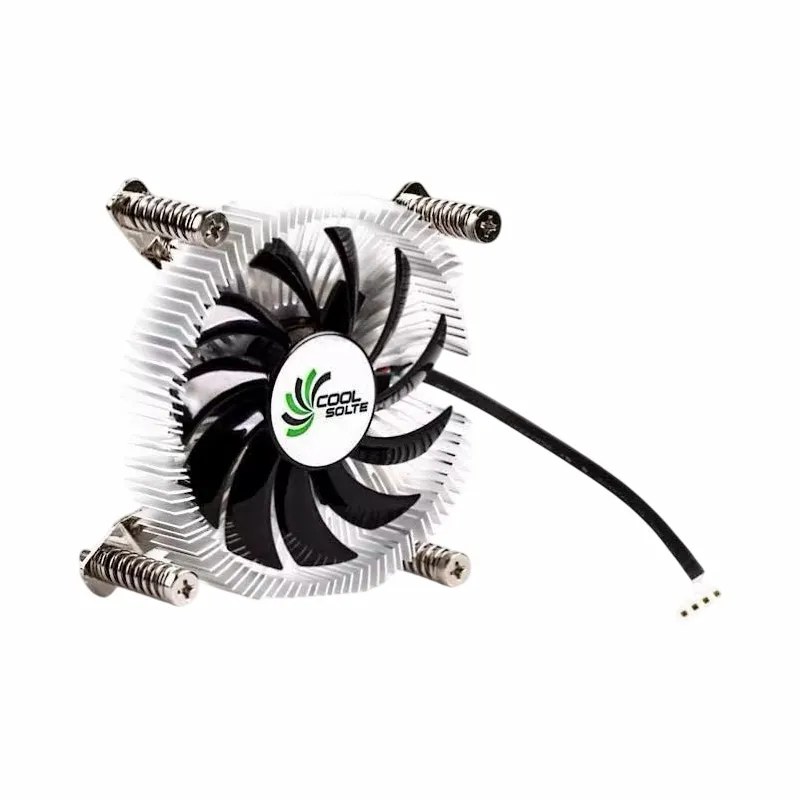

Cooling Performance
The primary function of a heat sink is to dissipate heat from the CPU. Therefore, cooling performance is a critical factor. There are several aspects to consider when evaluating the cooling performance of a heat sink.
Material
The material of the heat sink plays a significant role in its cooling efficiency. Common materials used for heat sinks include aluminum and copper. Aluminum is lightweight and relatively inexpensive, and it has decent thermal conductivity. Copper, on the other hand, has much higher thermal conductivity than aluminum, which means it can transfer heat more effectively. However, copper is heavier and more expensive.
For high - performance CPUs that generate a large amount of heat, a Copper CPU Heatpipe Radiator for AMD Intel might be a better choice. The heat pipes in these radiators can quickly transfer heat from the CPU to the fins, where it can be dissipated into the surrounding air.
Fin Design
The design of the fins on the heat sink also affects its cooling performance. Fins increase the surface area of the heat sink, which allows for more efficient heat transfer. Heat sinks with a larger number of fins or fins with a more complex design generally have better cooling capabilities. Some heat sinks use a pin - fin design, while others use a plate - fin design. Each design has its own advantages and disadvantages, and the choice depends on the specific requirements of your CPU.
Fan Performance
If your heat sink comes with a fan, the performance of the fan is another important factor. The fan's speed, airflow, and noise level are all crucial considerations. A fan with a higher speed can move more air, which helps to dissipate heat more quickly. However, a high - speed fan also tends to be noisier. You need to find a balance between cooling performance and noise level.
For example, an Air Cooler Fans Cooling Heat Sink for CPU offers a combination of a heat sink and a fan. These products are designed to provide efficient cooling while keeping the noise level at an acceptable range.
Noise Level
In many applications, especially in office environments or home setups, noise level is a significant concern. A noisy heat sink fan can be very distracting and annoying. When upgrading your OPS CPU heat sink, you should look for products that are designed to operate quietly.
Some heat sinks use advanced fan technologies, such as PWM (Pulse Width Modulation) fans. PWM fans can adjust their speed based on the temperature of the CPU. When the CPU is running at a low load and generating less heat, the fan can slow down, which reduces noise. As the CPU load increases and the temperature rises, the fan speed can increase to provide more cooling.
Power Consumption
Another factor to consider is the power consumption of the heat sink. A heat sink with a high - power fan will consume more electricity, which can increase your energy costs over time. You should look for heat sinks that offer a good balance between cooling performance and power consumption.
Some modern heat sinks are designed to be energy - efficient. They use low - power fans or advanced cooling technologies that can achieve the same level of cooling with less power consumption. For example, a Computer Cooler Fan with Alloy Aluminium CPU Heat Sink may use an alloy aluminum heat sink and a low - power fan to provide efficient cooling while keeping power consumption in check.
Cost
Cost is always a consideration when upgrading any component. You need to balance your budget with the performance and features you require. While high - end heat sinks with advanced cooling technologies and materials may offer better performance, they also come with a higher price tag.
If you have a limited budget, you can still find a decent heat sink that meets your basic cooling needs. Aluminum heat sinks are generally more affordable than copper heat sinks, and you can often find good - quality products at a reasonable price. However, if you have a high - performance CPU that requires top - notch cooling, it may be worth investing in a more expensive heat sink.
Ease of Installation
Finally, the ease of installation is an important factor, especially if you are not an experienced computer technician. A heat sink that is difficult to install may require professional help, which can add to the overall cost.
Look for heat sinks that come with clear installation instructions and all the necessary mounting hardware. Some heat sinks are designed to be easy to install, with simple mounting mechanisms that can be easily attached to the CPU socket.
In conclusion, upgrading an OPS CPU heat sink requires careful consideration of several factors, including compatibility, cooling performance, noise level, power consumption, cost, and ease of installation. As a supplier of OPS CPU heat sinks, we offer a wide range of products that are designed to meet the diverse needs of our customers. Whether you are looking for a high - performance copper heat sink or an energy - efficient aluminum heat sink, we have the right solution for you.
If you are interested in upgrading your OPS CPU heat sink, we invite you to contact us for more information and to discuss your specific requirements. Our team of experts is ready to assist you in making the best choice for your system.
References
- "Thermal Management of Electronic Systems" by Avram Bar - Cohen and D. Reay
- "Heat Transfer in Electronic Equipment" by R. C. Jaeger
- Manufacturer's specifications and technical documents for various OPS CPU heat sinks.