

As a supplier of OPS CPU heat sinks, I often encounter various inquiries from customers, and one question that frequently comes up is, "Can I use multiple OPS CPU heat sinks on a single CPU?" This is a fascinating topic that delves into the realms of thermodynamics, computer hardware design, and practical application. In this blog post, I'll explore this question in detail, providing insights based on scientific principles and real - world experience.
Understanding the Basics of CPU Cooling
Before we dive into the possibility of using multiple heat sinks, it's essential to understand how a CPU heat sink works. A CPU generates a significant amount of heat during operation due to the electrical resistance in its circuits. If this heat isn't dissipated effectively, the CPU's temperature can rise to dangerous levels, leading to performance degradation, system instability, and even permanent damage.
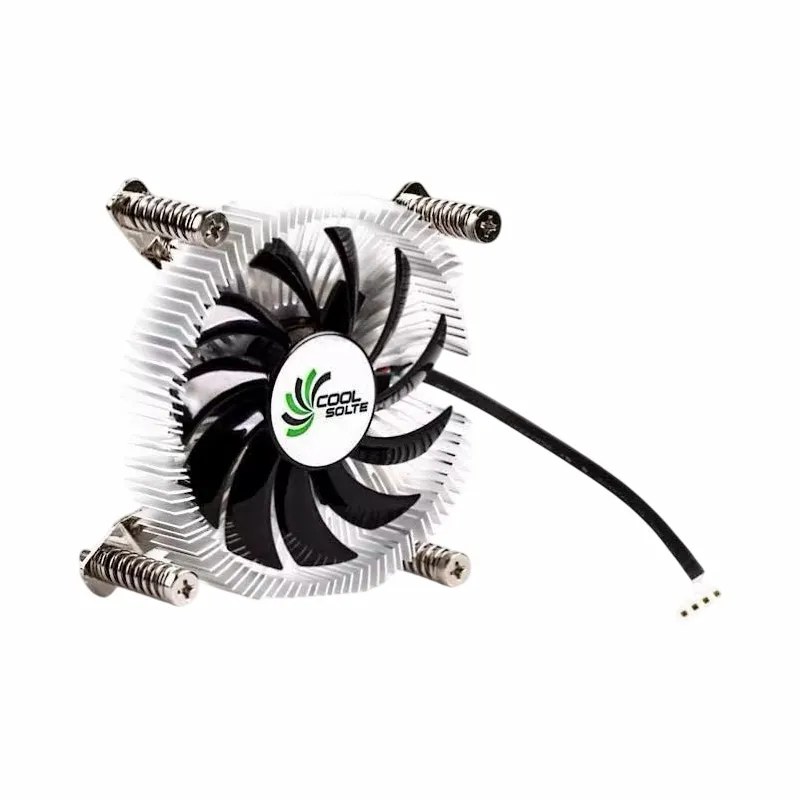
A heat sink is designed to absorb the heat from the CPU and transfer it to the surrounding air. It typically consists of a base that makes contact with the CPU and a series of fins that increase the surface area for heat dissipation. In some cases, a fan is used to enhance the airflow over the fins, speeding up the heat - transfer process.
The Case for Using Multiple Heat Sinks
There are a few theoretical scenarios where using multiple heat sinks on a single CPU might seem like a good idea.
Increased Surface Area
One of the primary factors affecting heat dissipation is the surface area available for heat transfer. By adding more heat sinks, you can potentially increase the total surface area, which in theory should allow for more efficient heat transfer. For example, if one heat sink has a certain number of fins, two heat sinks would have twice as many fins (assuming they are identical), providing more area for the heat to radiate into the air.
Redundancy
In critical applications where system downtime is unacceptable, having multiple heat sinks can act as a form of redundancy. If one heat sink fails, the other(s) can still provide some level of cooling, allowing the system to continue operating until the failed component can be replaced.
The Challenges of Using Multiple Heat Sinks
However, there are several significant challenges associated with using multiple heat sinks on a single CPU.

Physical Constraints
CPUs are designed to be used with a single heat sink. There is often limited space around the CPU socket, and fitting multiple heat sinks can be extremely difficult. The heat sinks need to be properly aligned and attached to the CPU, and there may not be enough room to accommodate additional hardware without interfering with other components on the motherboard.
Thermal Interface
The thermal interface between the CPU and the heat sink is crucial for efficient heat transfer. When using multiple heat sinks, it becomes challenging to ensure that each heat sink makes proper contact with the CPU. Any gaps or uneven contact can significantly reduce the heat - transfer efficiency. Additionally, applying thermal paste correctly to multiple heat sinks is more complicated and can lead to inconsistent results.
Airflow
Proper airflow is essential for heat dissipation. When multiple heat sinks are used, they can disrupt the airflow patterns in the computer case. The fans may not be able to provide sufficient airflow to all the heat sinks, resulting in some areas not being cooled effectively. This can lead to uneven heating and potentially cause hotspots on the CPU.
Practical Considerations
In most practical situations, using multiple heat sinks on a single CPU is not recommended. CPU manufacturers design their products with specific heat - sink requirements in mind, and using non - standard configurations can void the warranty. Moreover, modern CPUs are often paired with highly efficient heat sinks that are more than capable of handling the heat generated under normal operating conditions.
If you are looking for high - performance OPS CPU heat sinks, we offer a range of products that are designed to meet the most demanding requirements. For example, our Copper CPU Heatpipe Radiator for AMD Intel uses advanced heatpipe technology to transfer heat quickly and efficiently. Our Air Cooler Fans Cooling Heat Sink for CPU provides excellent cooling performance with the help of powerful fans. And our Computer Cooler Fan with Alloy Aluminium CPU Heat Sink combines the durability of alloy aluminium with the cooling power of a fan.
Conclusion
In conclusion, while the idea of using multiple OPS CPU heat sinks on a single CPU might seem appealing from a theoretical perspective, the practical challenges and potential drawbacks make it an unfeasible solution in most cases. Instead of trying to use multiple heat sinks, it is better to choose a high - quality, single heat sink that is specifically designed for your CPU.
If you are in the market for OPS CPU heat sinks, we are here to help. We have a wide range of products to suit different needs and budgets. Whether you are building a high - end gaming PC or a reliable business workstation, our heat sinks can provide the cooling performance you need. Contact us for more information and to discuss your specific requirements. We look forward to working with you to find the perfect cooling solution for your CPU.
References
- Intel Corporation. (2023). Intel CPU Cooling Solutions Guide.
- AMD. (2023). AMD CPU Thermal Management Whitepaper.
- ASUS. (2023). Motherboard and CPU Cooling Best Practices.