

As a supplier of OPS CPU heat sinks, I often receive inquiries from customers about improving the performance of these essential cooling components. One common question that arises is whether it's possible to modify an OPS CPU heat sink to enhance its performance. In this blog post, I'll explore this topic in depth, discussing the feasibility, potential benefits, and considerations of modifying an OPS CPU heat sink.
Understanding OPS CPU Heat Sinks
Before delving into the possibility of modification, it's important to understand what an OPS CPU heat sink is and how it works. OPS, or Open Pluggable Specification, is a standard for a modular computer designed to be easily integrated into digital signage displays. The CPU heat sink is a crucial component of the OPS system, responsible for dissipating the heat generated by the CPU to prevent overheating and ensure stable operation.
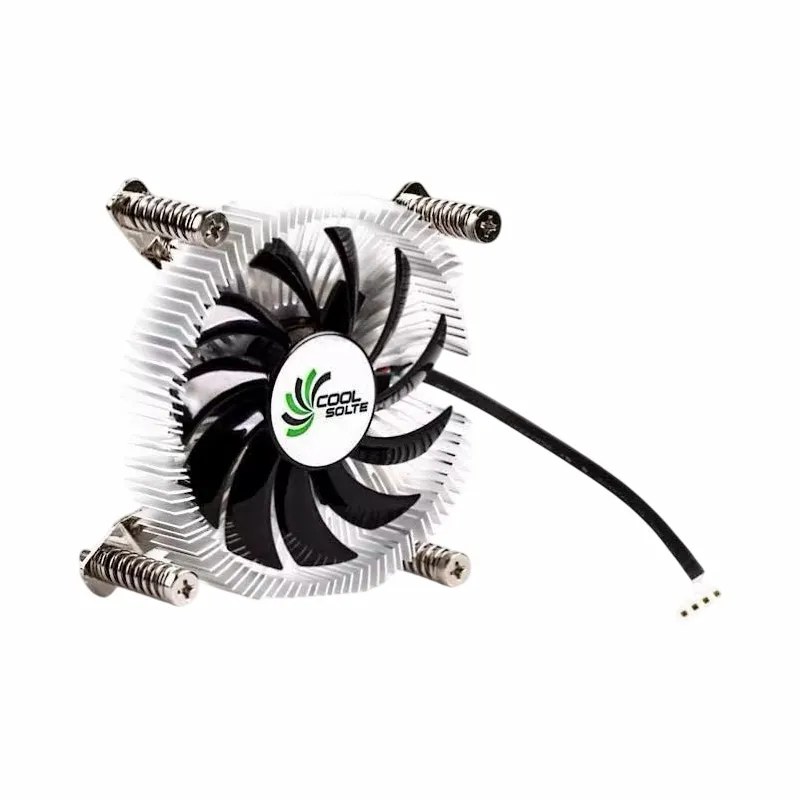
Typically, an OPS CPU heat sink consists of a base plate that makes direct contact with the CPU, heat pipes to transfer heat away from the base plate, and a fin array to increase the surface area for heat dissipation. A fan is often attached to the fin array to enhance airflow and improve cooling efficiency.
Feasibility of Modifying an OPS CPU Heat Sink
The feasibility of modifying an OPS CPU heat sink depends on several factors, including the design of the heat sink, the specific performance goals, and the technical expertise of the person making the modification. In some cases, minor modifications such as adding additional fins or improving the fan can be relatively straightforward and may yield noticeable improvements in cooling performance.
However, more significant modifications, such as replacing heat pipes or altering the base plate design, may require specialized tools and knowledge. Additionally, any modification to the heat sink may void the manufacturer's warranty, so it's important to consider the potential risks before proceeding.
Potential Benefits of Modifying an OPS CPU Heat Sink
There are several potential benefits to modifying an OPS CPU heat sink. One of the primary benefits is improved cooling performance, which can lead to lower CPU temperatures and better overall system stability. Lower temperatures can also extend the lifespan of the CPU and other components, reducing the risk of premature failure.
Another potential benefit is reduced noise levels. By improving the cooling efficiency of the heat sink, it may be possible to use a lower-speed fan, which can result in quieter operation. This can be particularly beneficial in environments where noise is a concern, such as offices or retail spaces.
Considerations Before Modifying an OPS CPU Heat Sink
Before attempting to modify an OPS CPU heat sink, it's important to consider several factors. First, it's essential to have a clear understanding of the specific performance goals and how the modification will help achieve those goals. For example, if the goal is to reduce CPU temperatures, it's important to determine the current temperature levels and the desired temperature reduction.
It's also important to ensure that the modification is compatible with the OPS system and the CPU. Some modifications may require specific hardware or software configurations, and it's important to test the modification thoroughly before implementing it in a production environment.
Finally, it's important to consider the potential risks and drawbacks of the modification. As mentioned earlier, any modification to the heat sink may void the manufacturer's warranty, and there is also a risk of damaging the heat sink or other components during the modification process.

Types of Modifications
There are several types of modifications that can be made to an OPS CPU heat sink. Some of the most common modifications include:
- Adding Additional Fins: Adding additional fins to the fin array can increase the surface area for heat dissipation, improving cooling performance. This can be a relatively simple modification that can be done with basic tools.
- Improving the Fan: Upgrading the fan to a higher-performance model or adding additional fans can enhance airflow and improve cooling efficiency. This can be particularly effective if the existing fan is not providing sufficient airflow.
- Replacing Heat Pipes: In some cases, replacing the heat pipes with higher-quality or more efficient models can improve heat transfer and cooling performance. However, this is a more complex modification that may require specialized tools and knowledge.
- Altering the Base Plate Design: Modifying the base plate design, such as increasing its thickness or improving its contact with the CPU, can improve heat transfer and cooling performance. This is also a more complex modification that may require specialized tools and knowledge.
Our Products
As a supplier of OPS CPU heat sinks, we offer a wide range of high-quality products designed to meet the needs of our customers. Our products include Computer Cooler Fan with Alloy Aluminium CPU Heat Sink, Copper CPU Heatpipe Radiator for AMD Intel, and Air Cooler Fans Cooling Heat Sink for CPU.
Our products are designed to provide excellent cooling performance, reliability, and durability. We use high-quality materials and advanced manufacturing processes to ensure that our products meet the highest standards of quality and performance.
Contact Us for Purchase and Negotiation
If you're interested in purchasing our OPS CPU heat sinks or have any questions about modifying an OPS CPU heat sink, please feel free to contact us. Our team of experts is available to provide you with more information and assist you with your purchase. We look forward to working with you to meet your cooling needs.
References
- "Thermal Management of Electronic Systems" by Avram Bar-Cohen and Ali Boroushaki
- "Heat Transfer in Electronics Cooling" by Reinhard Radermacher and Suresh V. Garimella
- "Handbook of Thermal Management of Electronics" by Avram Bar-Cohen and Ali Boroushaki