

When it comes to thermal management solutions, copper heat sinks have long been a popular choice due to their excellent thermal conductivity. As a supplier of copper heat sinks, I often encounter questions from customers regarding the safety aspects of using these products. In this blog post, I'll delve into the potential safety concerns associated with copper heat sinks and provide insights to help you make an informed decision.
Understanding Copper Heat Sinks
Copper heat sinks are designed to dissipate heat from electronic components such as CPUs, GPUs, and power transistors. Copper is an ideal material for heat sinks because of its high thermal conductivity, which allows it to transfer heat away from the source quickly and efficiently. This helps to prevent overheating, which can lead to reduced performance, component failure, and even fire hazards in extreme cases.
Safety Concerns and Mitigations
Chemical Safety
One of the primary safety concerns with copper heat sinks is the potential for chemical reactions. Copper is a reactive metal, and in certain environments, it can react with moisture, oxygen, and other chemicals to form copper oxides and other compounds. These compounds can be harmful if ingested or inhaled, especially in large quantities.
However, in normal operating conditions, the risk of chemical exposure from copper heat sinks is minimal. Most copper heat sinks are coated with a protective layer to prevent oxidation and corrosion. This coating acts as a barrier between the copper and the environment, reducing the likelihood of chemical reactions. Additionally, copper heat sinks are typically used in enclosed electronic devices, which further reduces the risk of exposure to any potentially harmful compounds.
Electrical Safety
Another safety concern is electrical conductivity. Copper is an excellent conductor of electricity, which means that if a copper heat sink comes into contact with live electrical components, it could cause a short circuit. This could lead to damage to the electronic device and pose a safety risk to the user.
To mitigate this risk, copper heat sinks are often designed with insulating materials or coatings. These materials prevent electrical contact between the copper and the live components, ensuring that the heat sink can safely dissipate heat without posing an electrical hazard. Additionally, proper installation and grounding of the heat sink are essential to prevent electrical problems.
Physical Safety
Physical safety is also a consideration when using copper heat sinks. Copper heat sinks can be sharp and have edges that could cause cuts or abrasions if handled improperly. Additionally, if a heat sink is not securely installed, it could become loose and cause damage to the electronic device or pose a risk to the user.
To address these concerns, copper heat sinks are typically designed with smooth edges and rounded corners to reduce the risk of injury. They are also provided with mounting hardware and instructions to ensure proper installation. When handling copper heat sinks, it is important to wear appropriate protective gear, such as gloves, to prevent cuts and abrasions.
Thermal Safety
While copper heat sinks are designed to dissipate heat, there is still a risk of overheating if they are not used correctly. If a heat sink is not properly sized or installed, it may not be able to dissipate heat effectively, leading to increased temperatures in the electronic device. This could cause damage to the components and pose a safety risk.
To ensure thermal safety, it is important to select the right heat sink for your application. Consider factors such as the power dissipation of the electronic component, the available space, and the operating environment. Additionally, proper installation and maintenance of the heat sink are crucial to ensure optimal performance.
Comparing with Other Heat Sink Materials
To better understand the safety aspects of copper heat sinks, it's helpful to compare them with other common heat sink materials, such as aluminum. Aluminum heat sinks are also widely used in electronic devices due to their lightweight and cost-effective nature.
In terms of chemical safety, aluminum is generally less reactive than copper, which means that it is less likely to form harmful compounds. However, aluminum heat sinks can also be coated with protective layers to prevent oxidation and corrosion.
When it comes to electrical safety, aluminum is also a good conductor of electricity, but its conductivity is lower than that of copper. This means that the risk of a short circuit is slightly lower with aluminum heat sinks. However, proper insulation and grounding are still necessary to ensure electrical safety.
In terms of physical safety, aluminum heat sinks are typically lighter and less likely to cause injury if mishandled. However, they may be less durable than copper heat sinks and may not be suitable for high-power applications.
Our Product Offerings
As a copper heat sink supplier, we offer a wide range of high-quality products to meet the diverse needs of our customers. Our copper heat sinks are designed with safety in mind, and we take every precaution to ensure that they are safe to use in all applications.
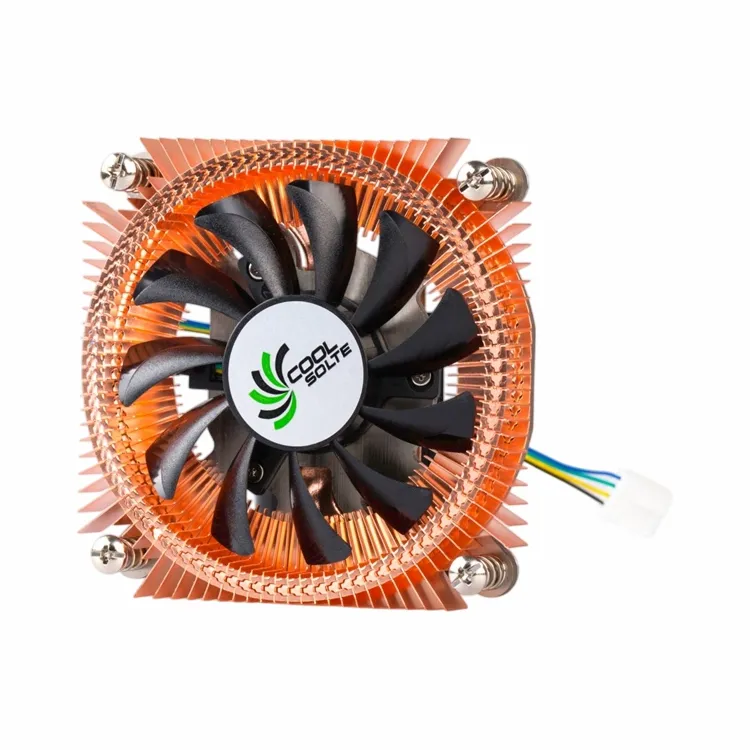
In addition to our copper heat sinks, we also offer other thermal management solutions, such as Black Anodized Aluminum Heat Sink for CPU, Mini Computer Heat Sink for CPU Devices, and CPU Cooling Fan with Heatsink. These products are designed to provide efficient heat dissipation and reliable performance in a variety of electronic devices.

Conclusion
In conclusion, while there are some potential safety concerns when using copper heat sinks, these concerns can be effectively mitigated through proper design, installation, and maintenance. By choosing high-quality copper heat sinks from a reputable supplier and following the recommended safety guidelines, you can ensure that your electronic devices are protected from overheating and other thermal issues without compromising on safety.
If you are in the market for copper heat sinks or other thermal management solutions, we invite you to contact us to discuss your specific requirements. Our team of experts is ready to assist you in selecting the right products for your application and ensuring a successful procurement process.
References
- Incropera, F. P., DeWitt, D. P., Bergman, T. L., & Lavine, A. S. (2007). Fundamentals of Heat and Mass Transfer. Wiley.
- Holman, J. P. (2010). Heat Transfer. McGraw-Hill.