

In today's era, environmental concerns have become a top priority across various industries. As a supplier for a heat sink company, I've witnessed firsthand the growing interest in the environmental friendliness of heat sink manufacturing. This blog aims to explore whether heat sink companies, in general, are environmentally friendly and how our company approaches these challenges.
The Manufacturing Process and Its Environmental Impact
The production of heat sinks involves several steps that can have environmental implications. Most heat sinks are made from materials like aluminum and copper. Aluminum, for instance, is a popular choice due to its excellent thermal conductivity and relatively low cost. However, the extraction and refining of aluminum are energy - intensive processes. Bauxite mining, the primary source of aluminum, can lead to deforestation, soil erosion, and water pollution.
On the other hand, copper, another common material for high - performance heat sinks, also has its environmental footprint. Copper mining often involves the use of large amounts of water and energy, and it can release heavy metals and other pollutants into the environment if not properly managed.
Our heat sink company is well - aware of these issues. We have been working on optimizing our supply chain to source materials from suppliers who adhere to strict environmental standards. For example, we partner with aluminum suppliers that use recycled aluminum in their production processes. Recycling aluminum requires only about 5% of the energy needed to produce new aluminum from bauxite, significantly reducing our carbon footprint.
Energy Efficiency of Heat Sinks
One of the key environmental benefits of heat sinks is their role in improving energy efficiency. Heat sinks are designed to dissipate heat from electronic devices, such as CPUs, GPUs, and power transistors. By effectively removing heat, these devices can operate at lower temperatures, which in turn reduces their power consumption.
Take CPUs as an example. A CPU that runs at a high temperature may require more power to maintain its performance. By using a Black Anodized Aluminum Heat Sink for CPU, the CPU can operate more efficiently, consuming less electricity. This not only saves energy but also reduces the overall carbon emissions associated with power generation.
Our company invests heavily in research and development to improve the thermal performance of our heat sinks. We use advanced computer - aided design (CAD) and computational fluid dynamics (CFD) simulations to optimize the shape and structure of our heat sinks. This allows us to create heat sinks that can dissipate heat more effectively with less material, further reducing our environmental impact.
Waste Management and Recycling
Another aspect of environmental friendliness is waste management. During the manufacturing process, there is inevitably some waste generated, such as scrap metal and excess materials. Our heat sink company has implemented a comprehensive waste management system.
We recycle all the scrap metal generated during production. The recycled metal is then sent back to our suppliers to be used in the production of new heat sinks. This closed - loop recycling system not only reduces waste but also conserves natural resources.
In addition, we are committed to reducing packaging waste. We use minimal and recyclable packaging materials for our heat sinks. Our packaging is designed to protect the products during transportation while minimizing the amount of material used.
Compliance with Environmental Regulations
Heat sink companies are subject to various environmental regulations at both the national and international levels. These regulations cover aspects such as emissions, waste management, and the use of hazardous substances.
Our company takes compliance with these regulations very seriously. We have a dedicated environmental management team that monitors and ensures that all our manufacturing processes meet or exceed the required environmental standards. We regularly conduct internal audits and work closely with regulatory authorities to stay updated on the latest environmental requirements.
Comparison with Other Cooling Solutions
When considering the environmental friendliness of heat sinks, it's also important to compare them with other cooling solutions. For example, liquid cooling systems are often used in high - performance computing applications. While liquid cooling can be very effective in dissipating heat, it requires additional components such as pumps, radiators, and coolant fluids.
The production and disposal of these components can have a significant environmental impact. Coolant fluids may contain chemicals that are harmful to the environment if not properly managed. In contrast, heat sinks are relatively simple devices with fewer components, making them a more environmentally friendly option in many cases.

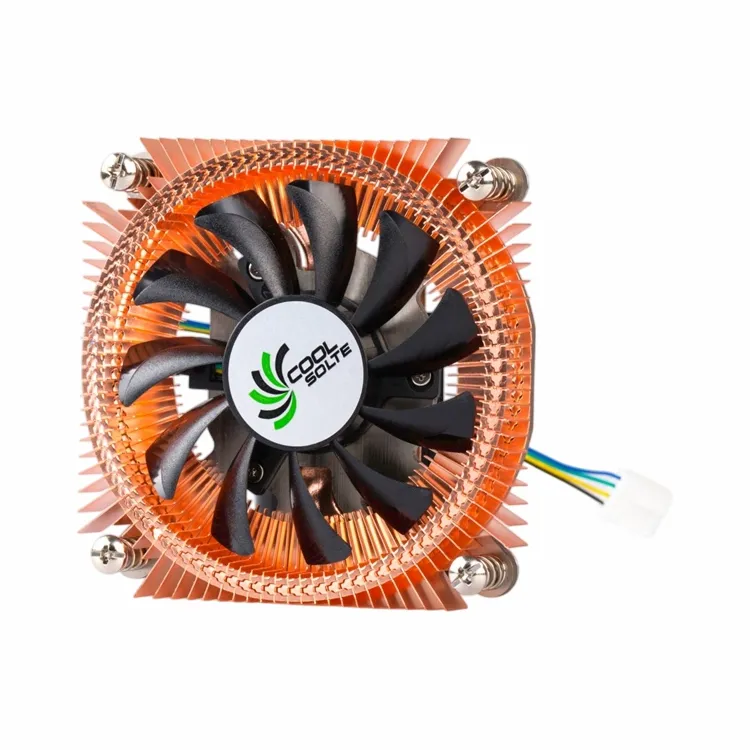
However, it's important to note that the choice between heat sinks and other cooling solutions depends on the specific application requirements. For some high - power applications, liquid cooling may be the only viable option.
Future Outlook
As the demand for electronic devices continues to grow, the heat sink industry will face even greater environmental challenges. Our company is committed to continuous improvement in environmental performance.
We plan to further increase the use of recycled materials in our production processes. We are also exploring the use of new materials and manufacturing techniques that are more environmentally friendly. For example, we are researching the use of biodegradable polymers in combination with traditional metals to create hybrid heat sinks.
In addition, we will continue to invest in research and development to improve the energy efficiency of our heat sinks. By working closely with our customers and suppliers, we hope to contribute to a more sustainable future for the heat sink industry.
Conclusion
In conclusion, while heat sink companies do face environmental challenges, many are taking significant steps to become more environmentally friendly. Our heat sink company, as a supplier, is committed to reducing our environmental impact through various measures, including optimizing the supply chain, improving energy efficiency, managing waste effectively, and complying with environmental regulations.
If you are interested in our environmentally friendly heat sink products, such as the Mini Computer Heat Sink for CPU Devices and CPU Cooling Fan with Heatsink, we welcome you to contact us for procurement and further discussions. We believe that by working together, we can make a positive impact on the environment while meeting your heat dissipation needs.
References
- "Environmental Impact of Aluminum Production" - Journal of Environmental Science and Technology
- "Energy Efficiency of Electronic Cooling Systems" - International Journal of Thermal Sciences
- "Waste Management in the Manufacturing Industry" - Environmental Management Review