

When it comes to optimizing the performance of your RAM, choosing the right size of RAM heatsink is crucial. As a RAM heatsink supplier, I've encountered numerous customers who are uncertain about the appropriate size for their specific needs. In this blog post, I'll delve into the factors that determine the size of the RAM heatsink you need and provide you with valuable insights to make an informed decision.
Understanding the Role of RAM Heatsinks
Before we discuss the size requirements, let's briefly understand why RAM heatsinks are important. Random Access Memory (RAM) is a critical component in any computer system, responsible for temporarily storing data that the CPU needs to access quickly. During operation, RAM modules generate heat, and excessive heat can lead to performance degradation, instability, and even premature failure.
A RAM heatsink is designed to dissipate this heat effectively, keeping the RAM modules within a safe operating temperature range. By reducing the temperature, the heatsink helps maintain the stability and performance of the RAM, ensuring smooth and reliable operation of your computer.
Factors Affecting the Size of RAM Heatsinks
Several factors influence the size of the RAM heatsink you need. Let's take a closer look at each of these factors:
1. RAM Module Type and Capacity
Different types of RAM modules, such as DDR3, DDR4, and DDR5, have varying power consumption and heat generation characteristics. Higher-capacity RAM modules also tend to generate more heat than lower-capacity ones. For example, a 32GB DDR5 RAM module will typically produce more heat than an 8GB DDR4 module.

As a general rule, the larger the RAM module and the higher its capacity, the larger the heatsink you'll need to effectively dissipate the heat. When selecting a heatsink, make sure it is compatible with the specific type and capacity of your RAM modules.
2. Overclocking
Overclocking is the process of increasing the clock speed of your RAM modules beyond their default settings to achieve higher performance. While overclocking can significantly boost the speed of your system, it also generates more heat.
If you plan to overclock your RAM, you'll need a larger heatsink to handle the additional heat. Overclocked RAM modules can reach much higher temperatures than their stock counterparts, and a larger heatsink with better thermal conductivity and surface area will help keep the temperatures in check.
3. System Environment
The environment in which your computer operates also plays a role in determining the size of the RAM heatsink. If your computer is located in a hot or poorly ventilated area, the RAM modules will be exposed to higher ambient temperatures, making it more difficult to dissipate heat.
In such cases, a larger heatsink will be necessary to compensate for the higher ambient temperatures and ensure efficient heat dissipation. Additionally, if your computer is used for intensive tasks such as gaming, video editing, or 3D rendering, the RAM will be under more stress and generate more heat, requiring a larger heatsink.
4. Case Design and Airflow
The design of your computer case and the airflow within it can have a significant impact on the cooling efficiency of your RAM heatsink. A case with poor airflow can trap heat inside, making it difficult for the heatsink to dissipate the heat effectively.
To ensure optimal cooling, choose a case with good ventilation and proper airflow management. You can also consider installing additional case fans to improve the airflow around the RAM modules. A well-ventilated case will help the heatsink work more efficiently, allowing you to use a smaller heatsink if necessary.
Choosing the Right Size of RAM Heatsink
Now that you understand the factors that affect the size of RAM heatsinks, let's discuss how to choose the right size for your needs. Here are some steps to guide you through the process:
1. Determine Your RAM Requirements
Start by identifying the type and capacity of your RAM modules. Check the specifications of your motherboard to ensure compatibility with the RAM you plan to use. If you're overclocking your RAM, make sure to factor in the additional heat generated by the overclocking process.
2. Assess Your System Environment
Consider the environment in which your computer operates. If it's a hot or poorly ventilated area, you'll need a larger heatsink to compensate for the higher ambient temperatures. If you're using your computer for intensive tasks, you'll also need a larger heatsink to handle the additional heat.
3. Evaluate Your Case Design and Airflow
Examine the design of your computer case and the airflow within it. If your case has poor ventilation or limited airflow, you may need a larger heatsink to ensure efficient heat dissipation. You can also consider upgrading your case or adding additional case fans to improve the airflow.
4. Research Heatsink Options
Once you have a clear understanding of your requirements, research different heatsink options available in the market. Look for heatsinks that are specifically designed for your RAM modules and offer good thermal performance. Consider factors such as the material, size, shape, and fin design of the heatsink.
Some popular heatsink materials include aluminum and copper, which have good thermal conductivity. Aluminum heatsinks are lightweight and affordable, while copper heatsinks offer better thermal performance but are more expensive. The size and shape of the heatsink should be compatible with your RAM modules and the available space in your computer case.
5. Consult with a Professional
If you're still unsure about the right size of RAM heatsink for your needs, don't hesitate to consult with a professional. As a RAM heatsink supplier, we have extensive knowledge and experience in this area and can provide you with expert advice and recommendations.
We can help you assess your requirements, recommend the most suitable heatsink options, and ensure that you get the best performance and value for your money. Our team of experts is always available to answer your questions and provide you with personalized support.
Our RAM Heatsink Products
As a leading RAM heatsink supplier, we offer a wide range of high-quality heatsinks to meet the diverse needs of our customers. Our heatsinks are designed and manufactured using the latest technology and materials to provide excellent thermal performance and reliability.
Here are some of our popular RAM heatsink products:
- Black Anodized Aluminum Heat Sink for CPU: This heatsink is made of high-quality aluminum and features a black anodized finish for a sleek and stylish look. It offers excellent thermal conductivity and is suitable for a wide range of CPU and RAM applications.
- Mini Computer Heat Sink for CPU Devices: This compact heatsink is designed specifically for mini computers and other small form factor devices. It provides efficient heat dissipation in a limited space and is easy to install.
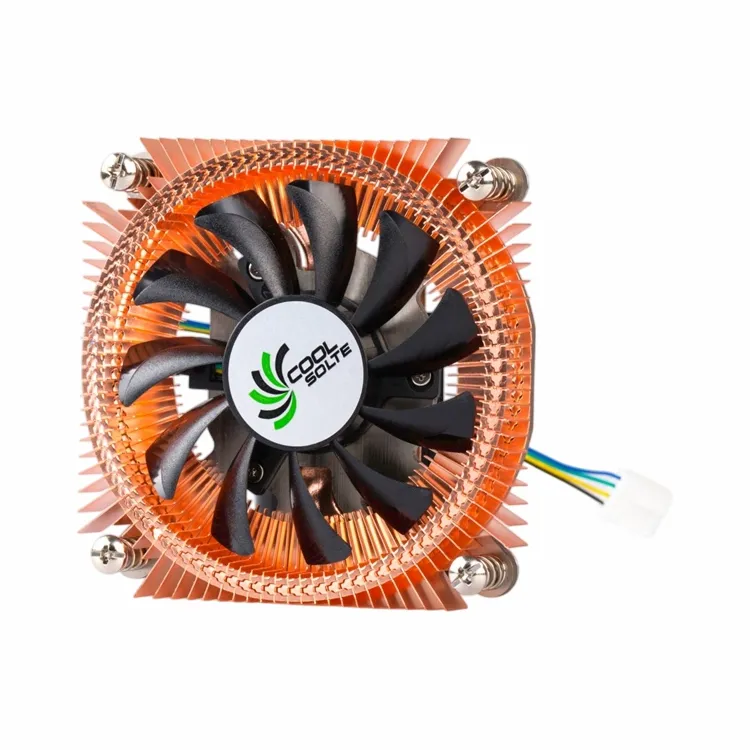
- CPU Cooling Fan with Heatsink: This combination heatsink and fan provides powerful cooling performance for your CPU and RAM. The fan helps to increase the airflow over the heatsink, improving the heat dissipation efficiency.
All of our RAM heatsinks are rigorously tested to ensure they meet the highest standards of quality and performance. We offer competitive prices, fast shipping, and excellent customer service to ensure your satisfaction.
Contact Us for Purchasing
If you're interested in purchasing our RAM heatsinks or have any questions about our products, please don't hesitate to contact us. We're here to help you find the right solution for your needs and ensure that you get the best performance and value for your money.
Whether you're a DIY enthusiast, a computer builder, or a business owner, we can provide you with the high-quality RAM heatsinks you need to keep your system running cool and stable. Contact us today to start the purchasing process and take your computer performance to the next level.
References
- Intel Corporation. (2023). Thermal Management Guidelines for Intel® Processors. Retrieved from [Intel Website]
- AMD. (2023). AMD Ryzen™ Processor Thermal and Mechanical Design Guidelines. Retrieved from [AMD Website]
- Thermal Engineering International. (2023). Heat Sink Design Handbook. Retrieved from [Thermal Engineering International Website]