

As a supplier for a heat sink company, I've witnessed firsthand the diverse range of products that are essential in various industries. Heat sinks play a crucial role in dissipating heat from electronic devices, ensuring their optimal performance and longevity. In this blog, I'll delve into the common products produced by a heat sink company and their applications.
1. CPU Heat Sinks
One of the most well - known products in the heat sink industry is the CPU heat sink. With the continuous advancement of computer technology, CPUs are becoming more powerful, generating a significant amount of heat. A high - quality CPU heat sink is essential to prevent overheating and maintain stable operation.
-
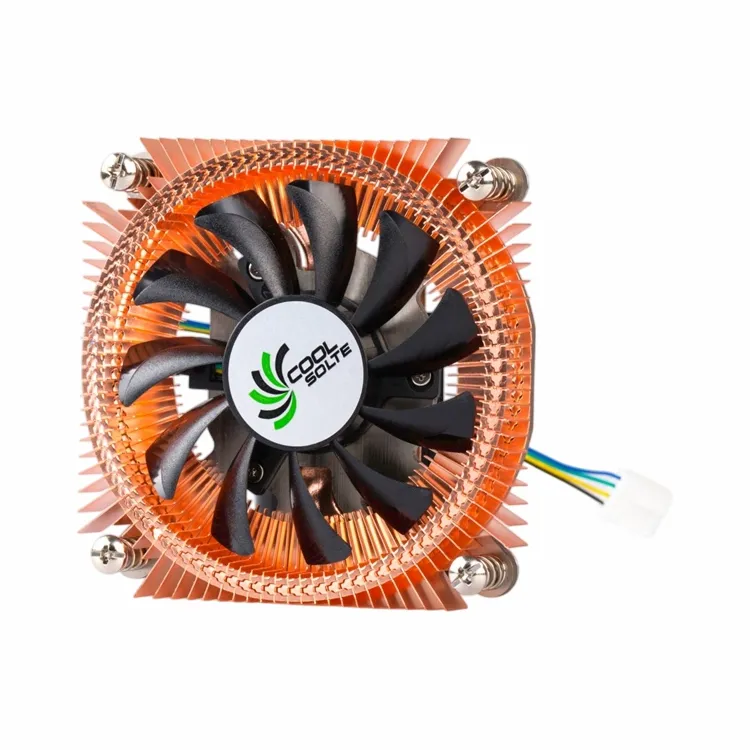
Mini Computer Heat Sink for CPU Devices: These heat sinks are specifically designed for small - form - factor computers, such as mini PCs. They are compact in size but highly efficient in dissipating heat. The Mini Computer Heat Sink for CPU Devices is a prime example. It is engineered to fit the limited space within mini PCs while providing effective cooling for the CPU. These heat sinks often use advanced materials and fin designs to maximize the surface area for heat transfer.
-
CPU Cooling Fan with Heatsink: Many CPU heat sinks come paired with cooling fans. The combination of a heat sink and a fan provides enhanced cooling performance. The fan helps to blow air over the heat sink, increasing the rate of heat dissipation. The CPU Cooling Fan with Heatsink is a popular choice among computer enthusiasts and professionals. It can quickly remove heat from the CPU, allowing it to operate at lower temperatures even under heavy loads.
-
Black Anodized Aluminum Heat Sink for CPU: Aluminum is a commonly used material for heat sinks due to its good thermal conductivity and relatively low cost. The Black Anodized Aluminum Heat Sink for CPU not only offers excellent heat dissipation but also has an aesthetically pleasing black finish. Anodizing the aluminum surface not only enhances its corrosion resistance but also improves its heat - radiating properties to some extent.

2. LED Heat Sinks
With the widespread use of LED lighting, heat management has become a critical issue. LEDs generate heat during operation, and if not properly dissipated, it can reduce the lifespan and performance of the LEDs. Heat sink companies produce a variety of LED heat sinks to address this problem.
-
High - Power LED Heat Sinks: These heat sinks are designed for high - power LED applications, such as streetlights, industrial lighting, and large - scale display screens. They are typically larger in size and have more complex fin structures to handle the large amount of heat generated by high - power LEDs. High - power LED heat sinks are often made of materials like aluminum or copper, which have high thermal conductivity.
-
Compact LED Heat Sinks: For smaller LED applications, such as LED bulbs and downlights, compact heat sinks are required. These heat sinks are designed to fit within the limited space of the lighting fixtures while still providing effective cooling. They are usually lightweight and have a simple yet efficient design.
3. Power Electronics Heat Sinks
Power electronics devices, such as power supplies, inverters, and motor drives, generate a significant amount of heat during operation. Heat sink companies produce specialized heat sinks for these applications to ensure the reliable operation of the power electronics.
-
Extruded Aluminum Heat Sinks: Extruded aluminum heat sinks are widely used in power electronics. They are manufactured by extruding aluminum through a die to create a specific shape with fins. These heat sinks are cost - effective and can be easily customized to meet the specific requirements of different power electronics devices.
-
Skived Fin Heat Sinks: Skived fin heat sinks are known for their high - performance cooling capabilities. They are made by skiving thin fins from a solid block of metal, usually copper or aluminum. The skived fins have a high aspect ratio, which means they are tall and thin, providing a large surface area for heat transfer. Skived fin heat sinks are often used in high - power density power electronics applications.
4. Automotive Heat Sinks
The automotive industry also relies on heat sinks for various applications. With the increasing use of electronic components in vehicles, such as engine control units (ECUs), power electronics for electric vehicles, and infotainment systems, effective heat management is crucial.
-
ECU Heat Sinks: Engine control units are responsible for controlling the engine's performance. They generate heat during operation, and a heat sink is required to keep them at a safe operating temperature. ECU heat sinks are designed to be compact and reliable, with good thermal conductivity to dissipate heat quickly.
-
Electric Vehicle Power Electronics Heat Sinks: Electric vehicles use a large number of power electronics components, such as inverters and battery management systems. These components generate a significant amount of heat, and specialized heat sinks are needed to ensure their efficient operation. Automotive heat sinks for electric vehicles are often designed to withstand harsh environmental conditions, such as high temperatures, vibrations, and moisture.
5. Communication Equipment Heat Sinks
In the communication industry, devices such as routers, servers, and base stations generate a lot of heat. Heat sink companies produce heat sinks to keep these devices cool and functioning properly.
-
Server Heat Sinks: Servers are the backbone of the digital world, processing and storing vast amounts of data. They generate a large amount of heat, and efficient cooling is essential to prevent downtime. Server heat sinks are designed to be highly reliable and have a high cooling capacity. They often use a combination of heat pipes and fins to transfer heat away from the server components.
-
Router Heat Sinks: Routers are used to connect devices to the internet. They also generate heat during operation, and a heat sink can help to extend their lifespan and improve their performance. Router heat sinks are usually small and lightweight, designed to fit within the router enclosure.
Why Choose Our Heat Sink Products?
Our heat sink company is committed to providing high - quality products that meet the diverse needs of our customers. We use the latest manufacturing technologies and materials to ensure the best performance and reliability of our heat sinks. Our products undergo strict quality control procedures to ensure that they meet or exceed industry standards.
If you are in the market for heat sink products for your specific application, whether it's for a computer, LED lighting, power electronics, automotive, or communication equipment, we would love to hear from you. We can provide customized solutions to meet your exact requirements. Contact us today to start a discussion about your heat sink needs and explore the possibilities of working together.
References
- Incropera, F. P., & DeWitt, D. P. (2002). Fundamentals of Heat and Mass Transfer. John Wiley & Sons.
- Bergman, T. L., Lavine, A. S., Incropera, F. P., & DeWitt, D. P. (2011). Introduction to Heat Transfer. John Wiley & Sons.