

In the dynamic realm of electronics, where technological advancements are rapid and the demand for high - performance devices is insatiable, the role of heat sinks has become increasingly crucial. As a heat sink supplier, I've witnessed firsthand how these components interact with the overall size of electronic devices. In this blog, I'll delve into the multifaceted impact of heat sinks on device size, exploring both the challenges and opportunities they present.
The Basics of Heat Sinks
Before delving into the impact on device size, it's essential to understand what heat sinks are and how they function. Heat sinks are passive heat exchangers that transfer the heat generated by an electronic component, such as a CPU or GPU, to a fluid medium, usually air or a liquid coolant. They are typically made of materials with high thermal conductivity, such as aluminum or copper, and are designed with fins or other structures to increase the surface area available for heat dissipation.
The primary goal of a heat sink is to maintain the operating temperature of the electronic component within a safe range. When an electronic device operates, it generates heat as a by - product of electrical resistance. If this heat is not effectively dissipated, it can cause the component to overheat, leading to reduced performance, increased energy consumption, and even permanent damage.
Positive Impact on Device Size
One of the significant positive impacts of heat sinks on device size is that they can enable the miniaturization of electronic components. In the past, as electronic devices became more powerful, they also tended to generate more heat. Without proper heat dissipation, this would have required larger and more robust components to handle the heat, resulting in bulkier devices.
However, with the development of advanced heat sinks, it's now possible to dissipate the same amount of heat from a smaller component. For example, modern laptops are much thinner and lighter than their predecessors, thanks in part to the use of efficient heat sinks. The Heat Pipe Laptop Cooler is a prime example of a heat sink that allows laptops to maintain a compact form factor while still providing adequate cooling for the CPU. Heat pipes are highly efficient at transferring heat, and they can be integrated into a relatively small space within the laptop chassis.
Heat sinks can also contribute to more efficient use of space within a device. By effectively managing heat, they allow designers to place components closer together without the risk of overheating. This can lead to a more compact and streamlined design. For instance, in a mini - PC, the CPU Cooling Fan with Heatsink helps to cool the CPU while taking up a minimal amount of space. The combination of the fan and the heatsink can be optimized to fit into the limited space available in a mini - PC, enabling a smaller overall device size.
Negative Impact on Device Size
On the flip side, heat sinks can also have a negative impact on the overall size of a device. One of the most obvious ways is that they add physical bulk. Heat sinks need to have a sufficient surface area to dissipate heat effectively, which often means they have fins or other structures that protrude from the device. In some cases, these structures can significantly increase the overall dimensions of the device.

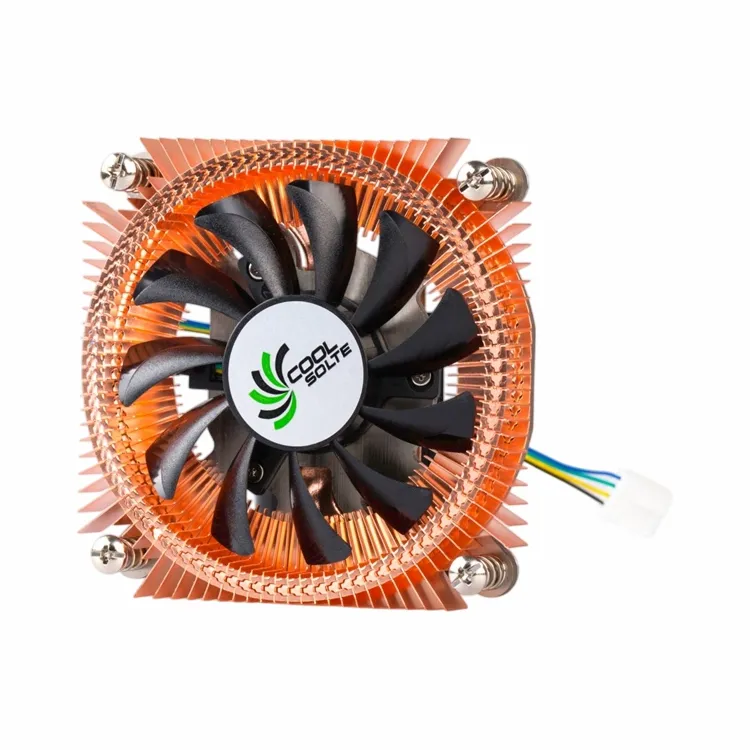
For high - performance desktop computers, large heat sinks are often required to cool powerful CPUs and GPUs. The Heat Pipe CPU Cooler used in these systems can be quite large, taking up a significant amount of space within the computer case. This can limit the design options for the case and make it more challenging to create a compact and stylish desktop computer.
Another factor is that in some applications, additional components may be required to enhance the performance of the heat sink. For example, a fan may be needed to increase the airflow over the heat sink, which adds to the overall size and complexity of the device. In liquid - cooled systems, there are also additional components such as pumps, radiators, and coolant reservoirs, all of which take up space and increase the overall size of the device.
Balancing Size and Performance
As a heat sink supplier, one of the key challenges we face is helping our customers balance the need for device size and heat dissipation performance. Different applications have different requirements, and there is no one - size - fits - all solution.
For portable devices such as smartphones and tablets, size is often a critical factor. These devices need to be as thin and light as possible while still providing adequate cooling for their processors. In these cases, we focus on developing ultra - thin and lightweight heat sinks that can be integrated into the limited space available.
On the other hand, for high - performance servers and industrial equipment, performance is usually the top priority. These devices generate a large amount of heat, and they require powerful heat sinks to maintain stable operation. While size may be a consideration, it is often secondary to the need for efficient heat dissipation.
Future Trends
Looking ahead, the trend towards smaller and more powerful electronic devices is likely to continue. This will put even more pressure on heat sink suppliers to develop innovative solutions that can provide effective cooling in increasingly limited spaces.
One area of research is the development of new materials with even higher thermal conductivity. For example, carbon nanotubes and graphene have shown great potential as heat - dissipating materials. These materials could allow for the creation of smaller and more efficient heat sinks in the future.
Another trend is the integration of heat sinks with other components. For example, some manufacturers are exploring the possibility of integrating heat sinks directly into the circuit board, which could further reduce the overall size of the device.
Conclusion
In conclusion, the impact of heat sinks on the overall size of a device is complex and multifaceted. While they can enable miniaturization and more efficient use of space in some cases, they can also add bulk and complexity in others. As a heat sink supplier, we play a crucial role in helping our customers navigate these challenges and find the best solutions for their specific applications.
If you're in the market for high - quality heat sinks for your electronic devices, whether it's for a laptop, mini - PC, or high - performance server, we're here to help. Our team of experts can work with you to understand your requirements and provide customized heat sink solutions that balance size, performance, and cost. Contact us today to start the procurement and negotiation process, and let's work together to create the next generation of efficient and compact electronic devices.
References
- Incropera, F. P., DeWitt, D. P., Bergman, T. L., & Lavine, A. S. (2007). Fundamentals of Heat and Mass Transfer. John Wiley & Sons.
- Tuckerman, D. B., & Pease, R. F. W. (1981). High - performance heat sinking for VLSI. IEEE Electron Device Letters, 2(5), 126 - 129.