

As a trusted supplier for a heat sink company, I understand the critical role that proper packaging plays in ensuring the safe and efficient delivery of our high - performance heat sinks. In this blog, I'll delve into the various packaging methods we employ to safeguard our products and meet the diverse needs of our customers.
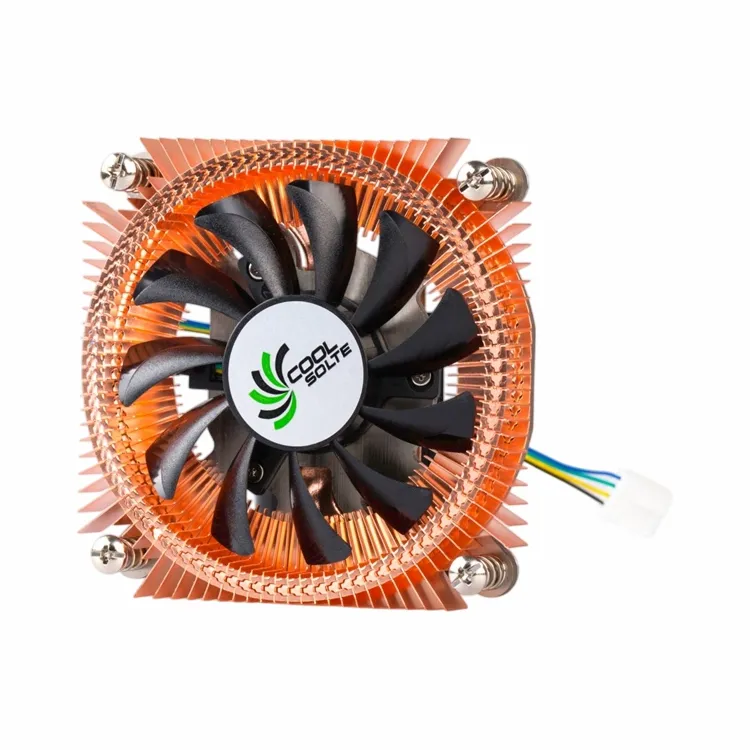

1. Protective Foam Packaging
One of the most common and effective packaging methods we use is protective foam. Foam provides excellent cushioning, absorbing shocks and vibrations during transit. We custom - cut foam inserts to fit the exact shape of each heat sink. This ensures that the heat sink is held firmly in place, preventing it from moving around and getting damaged.
For smaller heat sinks, such as the Black Anodized Aluminum Heat Sink for CPU, we use high - density foam. This type of foam is lightweight yet strong enough to protect the delicate fins and structures of the heat sink. The foam is usually black or white, and it can be easily cut and shaped to provide a snug fit.
For larger and more complex heat sinks, we opt for a combination of different foam densities. The outer layer may be a softer foam to absorb the initial impact, while the inner layer is a denser foam to provide more support. This multi - layer approach offers enhanced protection against both minor and major shocks.
2. Corrugated Cardboard Boxes
Corrugated cardboard boxes are another staple in our packaging arsenal. These boxes are made of multiple layers of paperboard, which provides strength and durability. We choose boxes with the appropriate size and thickness based on the dimensions and weight of the heat sink.
When packaging a heat sink in a corrugated cardboard box, we first place the heat sink in a foam insert as described above. Then, we carefully place the foam - encased heat sink into the box. We use additional cardboard dividers or padding inside the box to further secure the heat sink and prevent it from shifting.
The corrugated cardboard boxes are also labeled with important information such as the product name, model number, handling instructions, and weight. This helps ensure that the package is handled correctly throughout the shipping process. For example, if a customer orders a CPU Cooling Fan with Heatsink, the box will clearly indicate the presence of the fan and any special handling requirements.
3. Anti - Static Packaging
In the electronics industry, static electricity can be a major concern. Heat sinks, especially those used in CPU applications, are often made of conductive materials. Static electricity can cause damage to the heat sink and any associated electronic components. To prevent this, we use anti - static packaging materials.
Anti - static bags are commonly used for smaller heat sinks and components. These bags are made of a special plastic material that dissipates static electricity. The heat sink is placed inside the anti - static bag, which is then sealed. The bag is usually transparent, allowing for easy visual inspection of the product.
For larger heat sinks, we may use anti - static foam or anti - static cardboard liners inside the corrugated boxes. These materials help to neutralize any static charges that may build up during handling and shipping. This is particularly important for heat sinks like the Mini Computer Heat Sink for CPU Devices, which are often used in sensitive electronic environments.
4. Vacuum Packaging
Vacuum packaging is a specialized method that we use for certain types of heat sinks. This method involves placing the heat sink in a plastic bag and then removing the air from the bag using a vacuum sealer. The result is a tightly sealed package that protects the heat sink from dust, moisture, and oxidation.
Vacuum packaging is especially useful for heat sinks that are made of materials that are prone to corrosion, such as aluminum. By removing the air from the package, we reduce the amount of oxygen and moisture that can come into contact with the heat sink, thus extending its lifespan.
However, vacuum packaging also has some limitations. It may not be suitable for heat sinks with complex shapes or large surface areas, as the vacuum pressure may cause the heat sink to deform. Therefore, we carefully evaluate each heat sink to determine if vacuum packaging is the right option.
5. Custom - Designed Packaging
In some cases, our customers have specific packaging requirements. For example, they may need a heat sink to be packaged in a way that is suitable for display in a retail environment. In such situations, we offer custom - designed packaging solutions.
We work closely with our customers to understand their needs and design a packaging that meets their specifications. This may involve creating a unique box design, using special printing techniques, or incorporating branding elements. Custom - designed packaging not only protects the heat sink but also enhances its marketability.
6. Environmental Considerations
In today's environmentally conscious world, we are also committed to using sustainable packaging materials. We source our cardboard boxes from suppliers that use recycled materials and follow sustainable forestry practices. The foam we use is often made from recycled plastics, and we are constantly exploring new ways to reduce our packaging waste.
We also encourage our customers to recycle the packaging materials after they have received their heat sinks. By doing so, we can minimize our environmental impact and contribute to a more sustainable future.
Conclusion
Proper packaging is essential for the success of a heat sink company. At our company, we use a variety of packaging methods, including protective foam, corrugated cardboard boxes, anti - static packaging, vacuum packaging, and custom - designed packaging, to ensure that our heat sinks are protected during transit. We also take environmental considerations into account by using sustainable packaging materials.
If you are in the market for high - quality heat sinks and are interested in learning more about our products and packaging options, we invite you to reach out to us for a procurement discussion. We are confident that our innovative packaging solutions, combined with our top - notch heat sink products, will meet your needs and exceed your expectations.
References
- "Packaging Design for Electronics Products" - A comprehensive guide on packaging electronics, including heat sinks.
- "Sustainable Packaging Materials in the Electronics Industry" - Research on the use of eco - friendly packaging in the electronics sector.
- "Shock and Vibration Protection in Packaging" - Studies on how to protect products from damage during shipping.