

Hey there! As a copper heat sink supplier, I've seen firsthand how crucial it is to pick the right heat sink for your needs. Copper heat sinks are super popular because copper's got some amazing thermal conductivity properties. In this blog, I'm gonna share some tips on how to choose a suitable copper heat sink.
1. Consider the Heat Source
First things first, you gotta know what you're cooling. Different heat sources generate different amounts of heat. For example, a high - end gaming CPU is gonna produce a whole lot more heat than a basic office computer CPU. You need to figure out the thermal power or heat dissipation requirements of your heat source. This is usually measured in watts.
If you're dealing with a CPU, check the manufacturer's specs. They'll often tell you the TDP (Thermal Design Power), which gives you an idea of how much heat the CPU is expected to generate under normal operation. For instance, a modern high - performance CPU might have a TDP of 100 - 200 watts or even more.
Let's say you're looking at a CPU that has a TDP of 150 watts. You'll need a copper heat sink that can handle at least that amount of heat. If you choose a heat sink with a lower capacity, it won't be able to dissipate the heat effectively, and your CPU could overheat, leading to performance issues or even hardware damage.
2. Size Matters
The size of the copper heat sink is another important factor. Generally, a larger heat sink can dissipate more heat because it has a greater surface area. More surface area means more space for heat to transfer from the heat sink to the surrounding air.
However, you can't just go for the biggest heat sink you can find. You need to consider the physical space available in your device. For example, if you're building a small form - factor PC, you won't have a lot of room for a huge heat sink. In this case, you'll have to find a balance between size and heat dissipation capacity.
Also, keep in mind that the size of the heat sink can affect its weight. A very large and heavy heat sink might put too much stress on the motherboard or other components, especially if it's not properly supported. So, measure the available space in your device carefully before making a decision.
3. Fin Design
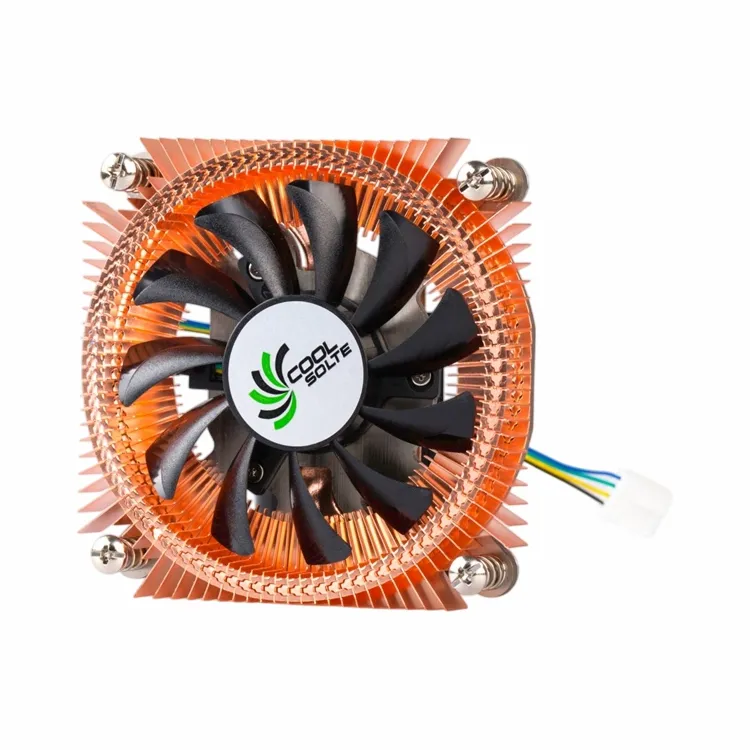
The fins on a copper heat sink play a big role in heat dissipation. Fins increase the surface area of the heat sink, allowing more heat to be transferred to the air. There are different types of fin designs, each with its own pros and cons.
- Straight Fins: These are the simplest type of fins. They're easy to manufacture and provide a good amount of surface area. However, they might not be as efficient as some other designs when it comes to air flow.
- Pin Fins: Pin fins are small, cylindrical fins that are arranged in a pattern. They can provide a large surface area in a relatively small space. They're also good at promoting turbulent air flow, which can enhance heat transfer.
- Wave - shaped Fins: Wave - shaped fins are designed to increase the surface area even more. They can also help to direct the air flow in a more efficient way.
When choosing a copper heat sink, look at the fin design and consider how it will work with the air flow in your device. If you have a fan blowing air over the heat sink, make sure the fin design is optimized for that type of air flow. For example, if you're using a CPU Cooling Fan with Heatsink check it out here, the fin design should be compatible with the direction and speed of the air coming from the fan.
4. Material Quality
Not all copper is created equal. The quality of the copper used in the heat sink can have a big impact on its performance. High - quality copper has better thermal conductivity, which means it can transfer heat more efficiently.
When you're looking at copper heat sinks, ask about the purity of the copper. Pure copper (99.9% or higher) is usually the best choice for heat sinks because it has the highest thermal conductivity. However, it can also be more expensive. Some heat sinks might use copper alloys, which can be a more cost - effective option. But make sure the alloy still has good thermal properties.
You can also look at the manufacturing process of the heat sink. A well - made heat sink will have a smooth surface finish, which helps with heat transfer. Rough or uneven surfaces can create air gaps, which reduce the efficiency of heat transfer.

5. Compatibility
Compatibility is key when it comes to choosing a copper heat sink. You need to make sure the heat sink is compatible with your heat source and your device.
- Heat Source Compatibility: If you're using a heat sink for a CPU, it needs to be compatible with the socket type of your CPU. Different CPUs have different socket designs, and the heat sink needs to fit properly on the socket. Most heat sink manufacturers will list the compatible socket types on their product descriptions.
- Device Compatibility: As mentioned earlier, you need to consider the physical space available in your device. But you also need to think about other factors, such as the power supply requirements if the heat sink has a fan. Make sure your device can provide the necessary power to run the fan effectively.
6. Cost - Benefit Analysis
Last but not least, you need to do a cost - benefit analysis. Copper heat sinks can vary widely in price, depending on their size, quality, and features. You need to decide how much you're willing to spend and what features are most important to you.
If you're on a tight budget, you might have to compromise on some features. For example, you might choose a heat sink with a lower fin density or a slightly lower - quality copper alloy. But if you're building a high - end system where performance is critical, it might be worth investing in a more expensive, high - quality copper heat sink.
Let's say you're looking at a Black Anodized Aluminum Heat Sink for CPU click here to see. This heat sink might be more affordable than a pure copper heat sink, but it also has different thermal properties. You need to weigh the cost savings against the potential loss in performance.
Conclusion
Choosing a suitable copper heat sink is all about finding the right balance between heat dissipation capacity, size, fin design, material quality, compatibility, and cost. By considering these factors carefully, you can make an informed decision and pick a heat sink that will keep your heat source cool and running smoothly.
If you're interested in purchasing copper heat sinks or have any questions about our products, feel free to reach out to us. We're here to help you find the perfect heat sink for your needs. Whether you're building a gaming PC, a server, or any other device that needs effective heat dissipation, we've got you covered.
References
- Thermal Engineering textbooks
- Manufacturer's product specifications for heat sinks and CPUs
- Online forums and communities discussing computer hardware cooling