

Do ram heatsinks have a weight limit?
As a supplier of RAM heatsinks, I often get asked about the weight limit of these crucial components. In the world of computer hardware, every detail matters, and the weight of a RAM heatsink is no exception. In this blog post, we'll delve into the science behind RAM heatsink weights, explore whether there's a limit, and understand how it impacts your computer's performance.
The Importance of RAM Heatsinks
Before we discuss the weight limit, let's first understand why RAM heatsinks are essential. Random Access Memory (RAM) is a vital component in any computer system. It stores data that the CPU needs to access quickly, ensuring smooth and efficient operation. However, as RAM chips process data, they generate heat. Excessive heat can lead to thermal throttling, where the RAM slows down to prevent overheating. This can significantly impact system performance, causing slowdowns, crashes, and even data loss.
RAM heatsinks are designed to dissipate this heat, keeping the RAM chips at an optimal temperature. They work by increasing the surface area of the RAM module, allowing heat to transfer more efficiently to the surrounding air. This helps maintain stable performance and extends the lifespan of the RAM.
Factors Affecting RAM Heatsink Weight
Several factors contribute to the weight of a RAM heatsink. The primary factor is the material used in its construction. Common materials include aluminum, copper, and a combination of both. Aluminum is lightweight, affordable, and has good thermal conductivity, making it a popular choice for many RAM heatsinks. Copper, on the other hand, has even better thermal conductivity but is heavier and more expensive.
The size and design of the heatsink also play a role in its weight. Larger heatsinks with more fins or complex designs tend to be heavier as they offer more surface area for heat dissipation. Additionally, some heatsinks may include additional features such as fans or heat pipes, which can add to the overall weight.
Is There a Weight Limit?
The question of whether RAM heatsinks have a weight limit is not straightforward. Technically, there is no specific industry - standard weight limit for RAM heatsinks. However, there are practical considerations that need to be taken into account.
One of the main concerns is the physical stress on the RAM module and the motherboard. RAM modules are inserted into slots on the motherboard, and excessive weight on the module can put strain on these slots. Over time, this can cause the slots to loosen or even damage the motherboard. If the heatsink is too heavy, it may also cause the RAM module to become misaligned, leading to connection issues and potential system instability.
Another consideration is the impact on the overall balance of the computer case. If you have multiple heavy RAM heatsinks installed, it can affect the center of gravity of the motherboard and potentially cause vibrations or instability within the case. This can be especially problematic in high - performance systems or those that are frequently moved.
Finding the Right Balance
As a supplier, we understand the importance of finding the right balance between heat dissipation and weight. Our team of engineers carefully designs our RAM heatsinks to provide optimal cooling performance while keeping the weight within reasonable limits.
We use high - quality materials and innovative designs to maximize heat transfer efficiency without adding unnecessary weight. For example, our Black Anodized Aluminum Heat Sink for CPU is made from lightweight yet highly conductive aluminum. It offers excellent heat dissipation capabilities while being gentle on your RAM module and motherboard.
Our Mini Computer Heat Sink for CPU Devices is specifically designed for compact systems. It has a sleek and lightweight design that fits perfectly in small form - factor cases without compromising on cooling performance.
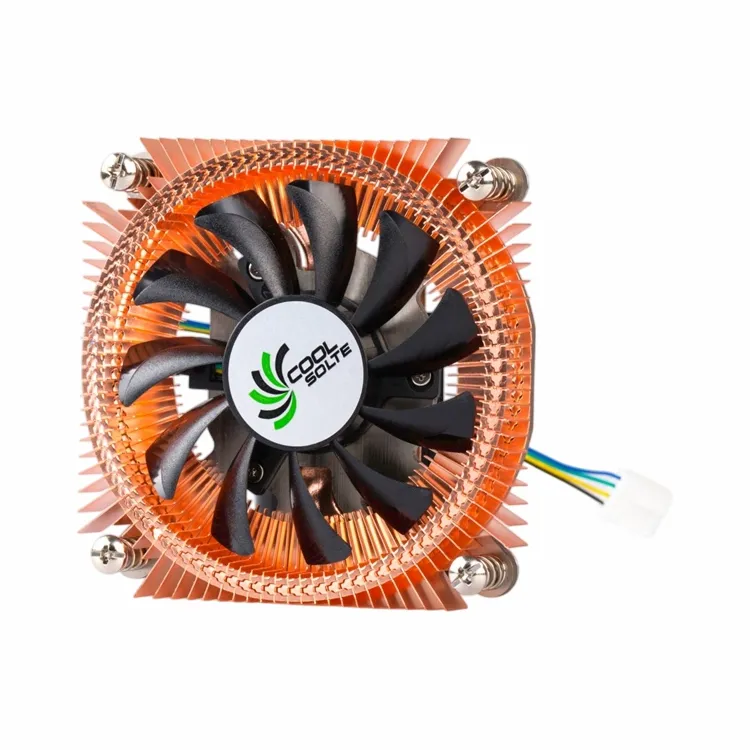
If you need even more cooling power, our CPU Cooling Fan with Heatsink combines the benefits of a heatsink with a built - in fan. The fan helps to increase airflow over the heatsink, enhancing heat dissipation. Despite the added fan, we've managed to keep the weight within a manageable range.
Testing and Quality Assurance
To ensure that our RAM heatsinks meet the highest standards, we conduct rigorous testing. Our testing process includes thermal performance testing to measure how effectively the heatsink dissipates heat, as well as stress testing to evaluate the impact of the heatsink's weight on the RAM module and motherboard.
We also take into account real - world usage scenarios. Our engineers simulate different operating conditions, such as high - load gaming or intensive video editing, to ensure that our heatsinks perform well under all circumstances. This way, we can guarantee that our products not only provide excellent cooling but also have a reasonable weight that won't cause any long - term damage to your system.
Conclusion
In conclusion, while there is no strict weight limit for RAM heatsinks, it's crucial to consider the potential impact of the heatsink's weight on your computer system. As a supplier, we are committed to providing high - quality RAM heatsinks that offer the best balance between cooling performance and weight.

If you're in the market for reliable and efficient RAM heatsinks, we invite you to explore our product range. Our team of experts is always ready to assist you in finding the right heatsink for your specific needs. Whether you're a casual computer user, a gamer, or a professional in the IT industry, we have the perfect solution for you. Contact us today to start a conversation about your RAM cooling requirements and let's work together to optimize your computer's performance.
References
- "Thermal Management in Computer Systems" - A comprehensive guide on heat dissipation in computer hardware.
- "Motherboard Design and Compatibility" - An in - depth look at how different components interact with the motherboard.
- "RAM Performance and Overheating" - Research on the impact of heat on RAM performance and lifespan.