

Hey there, tech enthusiasts! As a supplier of RAM heatsinks, I often get asked a bunch of questions about these little cooling gadgets. One question that pops up quite a bit is, "Do RAM heatsinks have a heat dissipation capacity rating?" Well, let's dive right into it and find out.
First off, for those who aren't super familiar with RAM heatsinks, they're basically small cooling devices attached to your computer's RAM modules. Their main job is to soak up the heat generated by the RAM and then release it into the surrounding air. This helps keep your RAM running at a safe temperature, which is crucial for its performance and lifespan.
Now, back to the big question. The short answer is yes, RAM heatsinks do have a heat dissipation capacity rating. But it's not as straightforward as you might think. Unlike some other cooling components, like CPU Heat Sink with Fin for Thermoelectric Cooling, which often come with very specific and clearly stated ratings, RAM heatsinks' ratings can be a bit more elusive.
The heat dissipation capacity of a RAM heatsink is usually measured in watts. This number tells you how much heat the heatsink can effectively get rid of per unit of time. But here's the catch: there isn't a standardized way to measure this for RAM heatsinks across the industry. Different manufacturers might use different testing methods and conditions, so it can be tricky to compare ratings from one brand to another.
One of the factors that affects a RAM heatsink's heat dissipation capacity is its material. Most RAM heatsinks are made from aluminum or copper. Aluminum is lightweight and relatively inexpensive, and it has decent thermal conductivity. Copper, on the other hand, is a better conductor of heat but is heavier and more expensive. A heatsink made from copper will generally have a higher heat dissipation capacity than an aluminum one of the same size and design.
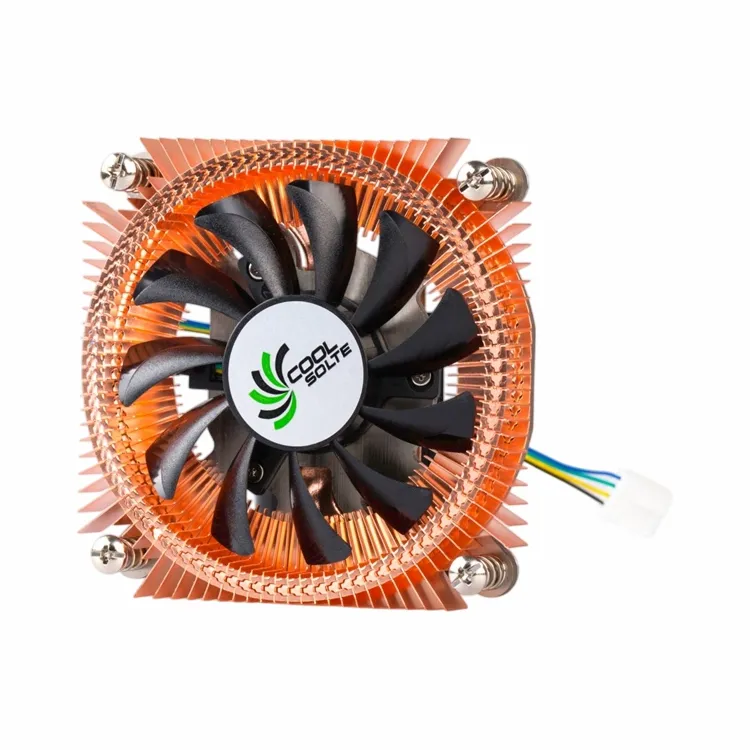

The design of the heatsink also plays a huge role. Heatsinks with more surface area can dissipate heat more effectively because there's more space for the heat to transfer from the heatsink to the air. That's why you often see heatsinks with fins or other intricate shapes. These designs increase the surface area without taking up too much extra space. For example, Black Anodized Aluminum Heat Sink for CPU uses a well - designed fin structure to enhance its cooling performance, and similar principles apply to RAM heatsinks.
Another important aspect is the airflow around the heatsink. Even the best - rated heatsink won't work well if there's no proper airflow. In a computer case, fans help move the hot air away from the heatsink and bring in cooler air. If the case has poor ventilation or the fans aren't working properly, the heat won't be able to escape, and the heatsink's effectiveness will be greatly reduced.
So, how do manufacturers come up with these heat dissipation capacity ratings? Well, they usually use specialized testing equipment in a controlled environment. They'll attach the heatsink to a test module that simulates the heat output of a real - world RAM module and then measure how much heat the heatsink can dissipate over a certain period. But again, since the testing conditions can vary, these ratings are more of a general guideline than an absolute truth.
As a supplier, I know that choosing the right RAM heatsink can be a bit of a headache for consumers. That's why we put a lot of effort into providing accurate information about our products. We test our heatsinks rigorously in our own labs and try to give our customers a clear idea of what to expect.
When you're looking at a RAM heatsink's heat dissipation capacity rating, it's important to consider your specific needs. If you're just using your computer for basic tasks like web browsing and word processing, you probably don't need a super - high - end heatsink. But if you're into gaming, overclocking, or other intensive tasks that put a lot of stress on your RAM, you'll want a heatsink with a higher heat dissipation capacity.
For example, if you're using a CPU Cooling Fan with Heatsink to cool your CPU and you're pushing your system to its limits, your RAM will also generate more heat. In this case, a better - rated RAM heatsink can make a big difference in keeping your system stable.
In conclusion, while RAM heatsinks do have heat dissipation capacity ratings, they're not always as straightforward as we'd like. But by understanding the factors that affect these ratings and doing a bit of research, you can make an informed decision when choosing a RAM heatsink for your computer.
If you're in the market for high - quality RAM heatsinks, we've got you covered. We offer a wide range of products with different heat dissipation capacities to suit various needs. Whether you're a casual user or a hardcore gamer, we can help you find the perfect heatsink for your system. If you're interested in learning more about our products or starting a procurement discussion, feel free to reach out. We're always happy to talk and help you make the right choice for your cooling needs.
References
- Various industry reports on thermal management in computer components
- Manufacturer's specifications and testing data for RAM heatsinks