

As a supplier of a heat sink company, I've witnessed firsthand the dynamic nature of our industry and its extensive reach into various other sectors. The question of whether heat sink companies cooperate with other industries is not just a matter of curiosity but a crucial aspect of understanding the broader business ecosystem. In this blog, I'll explore the diverse ways in which heat sink companies like ours engage with other industries, the benefits of these collaborations, and how they shape the future of thermal management solutions.
The Scope of Heat Sink Applications
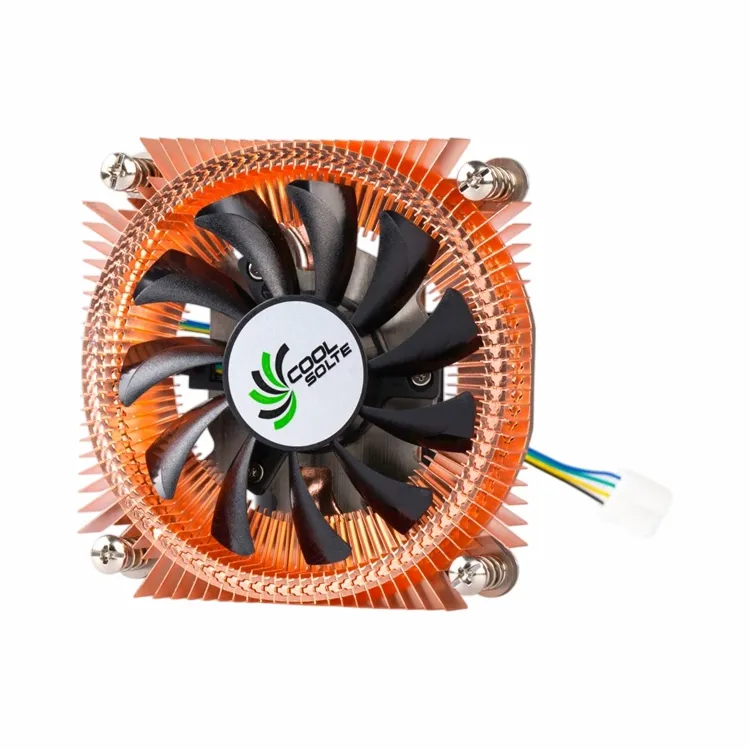
Heat sinks are fundamental components in managing thermal energy across a wide range of applications. From the smallest electronic devices to large - scale industrial machinery, the need to dissipate heat efficiently is universal. Our company specializes in manufacturing high - quality heat sinks, such as the CPU Cooling Fan with Heatsink, Mini Computer Heat Sink for CPU Devices, and Black Anodized Aluminum Heat Sink for CPU. These products are designed to meet the specific thermal requirements of different industries, which drives our need for cross - industry cooperation.
Collaboration with the Electronics Industry
The electronics industry is one of the primary sectors where heat sink companies find significant opportunities for collaboration. With the continuous miniaturization of electronic components and the increasing power density of devices, the demand for effective thermal management solutions has skyrocketed.
In the realm of consumer electronics, companies are constantly striving to make their devices smaller, faster, and more powerful. Smartphones, laptops, and tablets are prime examples. These devices generate a substantial amount of heat during operation, and without proper heat dissipation, their performance can degrade, and their lifespan can be shortened. Our heat sink products are tailored to fit the compact spaces within these devices while providing efficient heat transfer. By collaborating with electronics manufacturers, we can work together to develop custom - designed heat sinks that meet the unique thermal challenges of each product. This involves close communication during the product design phase, where we provide our expertise in thermal engineering, and they share their knowledge of device functionality and user requirements.
In the data center industry, the situation is similar but on a much larger scale. Data centers house thousands of servers that generate an enormous amount of heat. Inefficient cooling can lead to increased energy consumption, equipment failures, and higher operating costs. Heat sink companies collaborate with data center operators and server manufacturers to develop advanced cooling solutions. This may include the use of liquid - cooled heat sinks or large - scale air - cooled systems. Our heat sinks are designed to be integrated into server racks, ensuring that the servers operate within their optimal temperature range, thereby improving overall system reliability and energy efficiency.
Partnerships in the Automotive Industry
The automotive industry is another area where heat sink companies play a vital role. With the rise of electric vehicles (EVs) and hybrid electric vehicles (HEVs), the need for effective thermal management has become even more critical.
In EVs and HEVs, the battery pack is a key component that requires careful temperature control. Overheating can reduce battery performance, shorten its lifespan, and even pose safety risks. Heat sink companies collaborate with automotive manufacturers to develop thermal management systems for battery packs. Our heat sinks can be used to dissipate the heat generated during charging and discharging cycles, ensuring that the battery operates at a stable temperature.
In addition to battery cooling, automotive electronics such as power electronics (inverters, converters) also generate heat. These components are responsible for converting and controlling the electrical power within the vehicle. By collaborating with automotive suppliers, we can develop heat sinks that are suitable for the harsh automotive environment, including resistance to vibration, temperature variations, and moisture. This requires the use of specialized materials and manufacturing processes to ensure the durability and reliability of the heat sinks.
Cooperation with the Aerospace and Defense Sectors
The aerospace and defense industries have extremely high - standards for reliability and performance. Heat sink companies are often called upon to provide thermal management solutions for a variety of applications in these sectors.
In aerospace, avionics systems are critical for the safe operation of aircraft. These systems generate heat during flight, and maintaining their proper temperature is essential for accurate data processing and control. Our heat sinks are designed to meet the strict weight and size constraints of aerospace applications while providing efficient heat dissipation. By collaborating with aerospace manufacturers, we can develop lightweight heat sinks using advanced materials such as carbon fiber composites or high - conductivity metals. This involves working closely with their engineering teams to ensure that the heat sinks are compatible with the unique operating conditions of aircraft, including high - altitude, low - pressure environments.
In the defense sector, military equipment such as radar systems, communication devices, and electronic warfare systems also require effective thermal management. These systems are often deployed in harsh and remote environments, where they may be exposed to extreme temperatures, dust, and humidity. Heat sink companies collaborate with defense contractors to develop ruggedized heat sinks that can withstand these conditions. This may involve the use of special coatings or encapsulation techniques to protect the heat sinks from environmental damage.
Benefits of Cross - Industry Collaboration
The cooperation between heat sink companies and other industries brings numerous benefits to all parties involved.
For heat sink companies, cross - industry collaboration provides access to new markets and opportunities for growth. By working with different industries, we can expand our product portfolio and gain valuable experience in solving diverse thermal challenges. This allows us to stay at the forefront of thermal engineering technology and develop innovative solutions that can be applied across multiple sectors.
For the industries we collaborate with, the benefits are equally significant. They gain access to our expertise in thermal management, which can help them improve the performance, reliability, and energy efficiency of their products. By using our high - quality heat sinks, they can reduce the risk of thermal - related failures, extend the lifespan of their equipment, and enhance the overall user experience. Additionally, our custom - designed heat sinks can be integrated seamlessly into their products, reducing the need for extensive redesign and development efforts.

Shaping the Future of Thermal Management
The future of thermal management will be shaped by continued cross - industry collaboration. As technology continues to evolve, new challenges and opportunities will emerge. For example, the development of 5G technology will require even more efficient thermal management solutions for communication infrastructure. The increasing adoption of artificial intelligence and machine learning will also lead to higher power consumption in data centers, driving the need for more advanced cooling technologies.
Heat sink companies will need to stay ahead of these trends by collaborating closely with other industries. This may involve investing in research and development to explore new materials and manufacturing processes. For instance, the use of nanomaterials in heat sinks could potentially provide even higher heat transfer rates, while 3D printing technology could enable the production of complex - shaped heat sinks with improved performance.
Conclusion
In conclusion, heat sink companies do indeed cooperate with other industries, and these collaborations are essential for the success of all parties involved. Whether it's in the electronics, automotive, aerospace, or defense sectors, our heat sink products play a crucial role in ensuring the proper operation of various devices and systems. By working together, we can develop innovative thermal management solutions that meet the ever - changing needs of different industries.
If you are interested in learning more about our heat sink products or exploring potential collaboration opportunities, we invite you to reach out to us for procurement discussions. We are committed to providing high - quality thermal management solutions and look forward to working with you to address your specific thermal challenges.
References
- "Thermal Management in Electronic Systems" by Avram Bar - Cohen and D. Reay
- "Automotive Thermal Management Systems" by John Heywood
- "Aerospace Thermal Control Systems" by William F. Moffitt