

Do copper heat sinks require a specific operating temperature range?
Hey there! I'm a supplier of copper heat sinks, and I often get asked this question: Do copper heat sinks require a specific operating temperature range? Well, let's dive right into it.
First off, copper is an amazing material for heat sinks. It's got excellent thermal conductivity, which means it can transfer heat away from a hot component, like a CPU, really efficiently. But just like any other material, it does have its limits when it comes to temperature.
Copper heat sinks are designed to work within a certain temperature range to ensure optimal performance. Generally speaking, most copper heat sinks are built to operate between -20°C and 120°C. This range allows them to effectively dissipate heat from the source and keep the component cool.
At the lower end of the spectrum, around -20°C, copper still retains its thermal properties. However, extremely cold temperatures can cause some issues. For example, the expansion and contraction of materials due to temperature changes can lead to mechanical stress. If the heat sink is attached to a component using a thermal paste, very cold temperatures might cause the paste to become less effective, reducing the overall heat transfer efficiency.
On the other hand, when the temperature gets too high, above 120°C, things start to get a bit dicey. Copper itself doesn't melt until around 1085°C, but at high temperatures, the performance of the heat sink can degrade. The thermal interface materials used to connect the heat sink to the component can break down, reducing the contact between the two and thus impeding heat transfer. Also, the fins on the heat sink, which are designed to increase the surface area for heat dissipation, can start to warp or deform at high temperatures, further reducing their effectiveness.
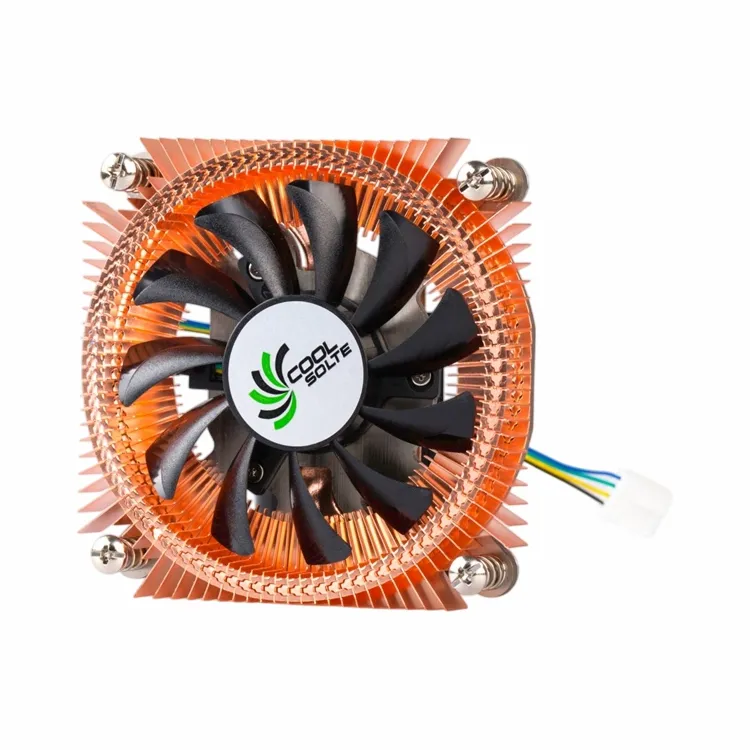
Now, let's talk about how these temperature ranges affect different types of applications. If you're using a copper heat sink in a consumer electronics device, like a laptop or a desktop computer, the typical operating temperature is usually much lower, around 40°C - 80°C. In these cases, the heat sink is designed to keep the CPU or other components within a safe temperature range to prevent overheating and potential damage. For instance, our Mini Computer Heat Sink for CPU Devices is specifically engineered to work efficiently in these consumer electronics environments. It's compact, yet powerful enough to dissipate the heat generated by the CPU, ensuring smooth operation of the device.
In industrial applications, the temperature requirements can be more demanding. Some industrial equipment generates a lot of heat, and the heat sinks need to be able to handle higher temperatures. For example, in power electronics or server rooms, the operating temperature can sometimes reach up to 100°C or more. In these situations, a more robust copper heat sink, like our CPU Cooling Fan with Heatsink, might be required. The fan helps to increase the airflow over the heat sink, enhancing the heat dissipation process and allowing the heat sink to operate effectively even at higher temperatures.
Another important factor to consider is the long - term effects of operating outside the recommended temperature range. If a copper heat sink is constantly exposed to temperatures outside its optimal range, its lifespan can be significantly reduced. The repeated expansion and contraction due to temperature fluctuations can cause cracks in the heat sink or damage the thermal interface materials. This can lead to costly repairs or replacements down the line.

So, how can you ensure that your copper heat sink is operating within the right temperature range? First, make sure you choose the right heat sink for your application. Consider the power consumption of the component you're cooling, the ambient temperature of the environment, and the available airflow. If you're not sure which heat sink is best for your needs, our team of experts is always here to help.
Secondly, proper installation is crucial. Make sure the heat sink is securely attached to the component using the right thermal paste. A good thermal paste can improve the heat transfer between the two surfaces and help the heat sink operate more efficiently.
Finally, monitor the temperature of the component and the heat sink regularly. Most modern devices come with temperature sensors that can give you an accurate reading of the internal temperature. If you notice that the temperature is consistently outside the recommended range, it might be time to check the heat sink or consider upgrading to a more powerful one.
We also offer a CPU Heat Sink with Fin for Thermoelectric Cooling which is designed for applications where precise temperature control is required. This type of heat sink uses thermoelectric cooling technology to actively remove heat from the component, allowing for more stable operation even in challenging temperature environments.
In conclusion, copper heat sinks do require a specific operating temperature range to function at their best. By understanding these temperature limits and taking the necessary precautions, you can ensure that your heat sink provides reliable and efficient cooling for your components.
If you're in the market for a high - quality copper heat sink, whether it's for a consumer electronics device, an industrial application, or something else, we've got you covered. Our team is ready to assist you in finding the perfect heat sink for your needs. Just reach out to us, and we can start a conversation about your requirements and how we can help you keep your components cool.
References
- "Thermal Management of Electronic Systems" by Avram Bar - Cohen and David A. Reay
- "Heat Transfer in Electronics Cooling" by Ali Faghri and Yuwen Zhang