

As a RAM heatsink supplier, I've often encountered questions from customers regarding the potential impact of a heatsink's weight on the RAM slot. This is a valid concern, especially when considering the delicate nature of computer components and the importance of ensuring their long - term reliability. In this blog post, we'll delve into the science behind this issue, exploring whether the weight of a RAM heatsink can indeed cause damage to the RAM slot.
Understanding the Mechanics of RAM Slots and Heatsinks
Before we can assess the risk of damage, it's essential to understand the basic mechanics of RAM slots and heatsinks. RAM slots are designed to securely hold the RAM modules in place, providing electrical connections for data transfer. They are typically made of plastic and metal contacts, which are engineered to withstand a certain amount of stress.
On the other hand, RAM heatsinks are used to dissipate heat generated by the RAM modules. They come in various materials, such as aluminum, copper, or a combination of both, and different designs, including passive and active (with fans). The weight of a heatsink can vary significantly depending on its size, material, and construction.
Factors Affecting the Weight of RAM Heatsinks
- Material: Aluminum is a common material for RAM heatsinks due to its lightweight and good thermal conductivity. Copper, on the other hand, has even better thermal conductivity but is heavier. Some high - end heatsinks may use a combination of these materials to achieve optimal performance.
- Size and Design: Larger heatsinks with more surface area can dissipate heat more effectively but tend to be heavier. Additionally, heatsinks with complex designs, such as those with fins or multiple layers, may also add to the overall weight.
- Additional Components: Active heatsinks that include fans or other cooling elements will naturally be heavier than passive ones.
The Impact of Heatsink Weight on RAM Slots
Now, let's consider whether the weight of a RAM heatsink can damage the RAM slot. In general, modern RAM slots are designed to handle a reasonable amount of weight without issue. However, there are several factors that can influence the potential for damage:
1. Installation and Alignment
Proper installation and alignment of the RAM module and heatsink are crucial. If the heatsink is not properly attached or is misaligned, it can put uneven stress on the RAM slot. This uneven stress can cause the plastic housing of the slot to crack or the metal contacts to bend, leading to connectivity issues or even permanent damage.
2. Vibration and Movement
During normal computer operation, there may be some vibration and movement, especially if the computer is placed on an unstable surface or if there are fans or other components generating vibrations. A heavy heatsink can amplify these vibrations, increasing the risk of damage to the RAM slot over time.
3. Long - Term Wear and Tear
Even if the initial installation is correct and there is no immediate damage, the constant pressure exerted by a heavy heatsink can cause long - term wear and tear on the RAM slot. Over time, this can lead to loosening of the contacts, reduced electrical conductivity, and ultimately, system instability.
Assessing the Risk
To determine whether the weight of a particular RAM heatsink poses a risk to the RAM slot, it's important to consider the following:
Heatsink Weight - to - Slot Rating Ratio
Most motherboard manufacturers do not explicitly state a maximum weight limit for RAM heatsinks. However, a general rule of thumb is to keep the weight of the heatsink within a reasonable range. As a rough estimate, a heatsink that weighs more than 50 - 100 grams per RAM module may start to pose a higher risk, especially if the motherboard is of lower quality or has a more fragile design.
Motherboard Quality and Design
Higher - quality motherboards are typically more robust and better able to withstand the weight of a heatsink. They may have reinforced RAM slots, thicker printed circuit boards, and better - designed mounting mechanisms. On the other hand, budget motherboards may be more susceptible to damage from heavy heatsinks.
Mitigating the Risk
If you're concerned about the potential damage from a heavy RAM heatsink, there are several steps you can take to mitigate the risk:
Choose a Lightweight Heatsink
Opt for a heatsink made of lightweight materials, such as aluminum, and with a simple design. This can significantly reduce the weight without sacrificing too much in terms of cooling performance. For example, our Black Anodized Aluminum Heat Sink for CPU is a great option for those looking for a lightweight and effective cooling solution.
Ensure Proper Installation
Take the time to carefully install the RAM module and heatsink, following the manufacturer's instructions. Make sure the heatsink is evenly attached and aligned with the RAM module to avoid putting uneven stress on the slot.
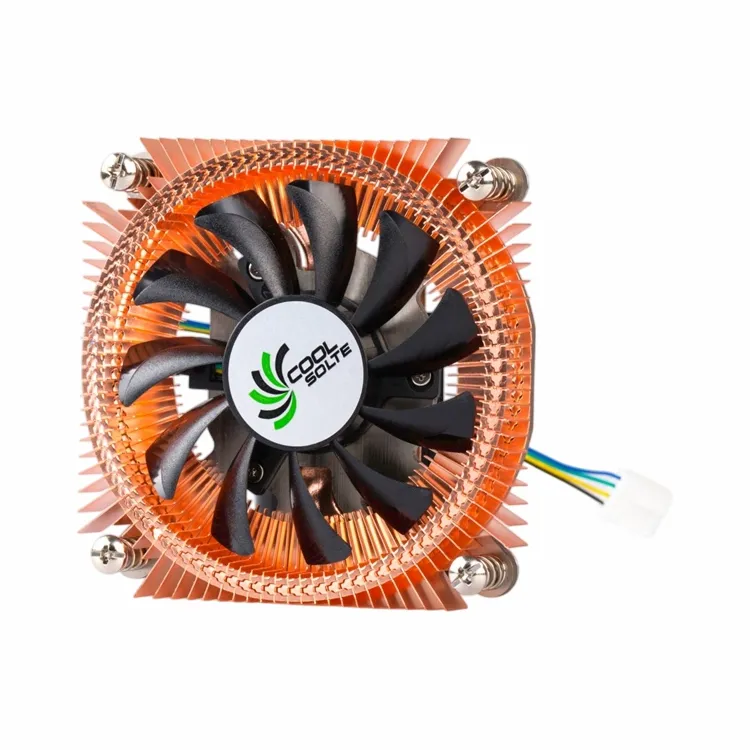

Use Vibration - Dampening Materials
If you're using a heavy heatsink, consider using vibration - dampening materials, such as rubber pads or silicone mounts, to reduce the impact of vibrations on the RAM slot.
Conclusion
In conclusion, while the weight of a RAM heatsink can potentially damage the RAM slot, the risk can be minimized through proper selection, installation, and maintenance. As a RAM heatsink supplier, we understand the importance of providing high - quality products that not only offer excellent cooling performance but also ensure the long - term reliability of your computer components.
If you're in the market for a RAM heatsink or have any questions about the weight and potential impact on your RAM slot, we'd love to hear from you. Our team of experts can help you choose the right heatsink for your needs and provide guidance on installation and maintenance. Contact us to start a procurement discussion and find the perfect cooling solution for your system.
References
- PC Hardware Handbook, Various Authors
- Motherboard Manufacturer Documentation