

When building a server, one of the critical decisions is choosing the right CPU cooler. As a supplier of the Best Budget CPU Coolers, I often get asked if it's feasible to use a budget CPU cooler for a server build. This blog post aims to delve into this question, weighing the pros and cons, and providing you with a comprehensive understanding of whether a budget cooler can meet the demands of a server environment.
Understanding Server CPU Cooling Requirements
Servers are designed to run 24/7, handling multiple tasks simultaneously. They often house high - performance CPUs that generate a significant amount of heat. Efficient cooling is essential to maintain the CPU's performance and longevity. Overheating can lead to thermal throttling, where the CPU reduces its clock speed to prevent damage, resulting in decreased performance. In extreme cases, it can even cause permanent hardware damage.
The cooling requirements of a server CPU depend on several factors, including the CPU's TDP (Thermal Design Power), the server's workload, and the ambient temperature. CPUs with higher TDPs generate more heat and require more robust cooling solutions. Servers running resource - intensive applications such as databases, virtualization, or data analytics will also produce more heat compared to those running less demanding tasks.
Advantages of Using a Budget CPU Cooler for a Server
Cost - Effectiveness
The most obvious advantage of using a budget CPU cooler is the cost savings. For small businesses or individuals building a home server on a tight budget, a budget cooler can significantly reduce the overall build cost. This allows you to allocate more resources to other components such as RAM, storage, or a more powerful CPU.
Adequate for Light Workloads
If your server is used for light - duty tasks such as hosting a personal website, file sharing, or running a small - scale email server, a budget CPU cooler may be sufficient. These types of workloads do not put excessive stress on the CPU, resulting in lower heat generation. Budget coolers, such as the CPU Cooling Fan with Heatsink, can effectively dissipate the heat produced by the CPU under these conditions.
Compact Size
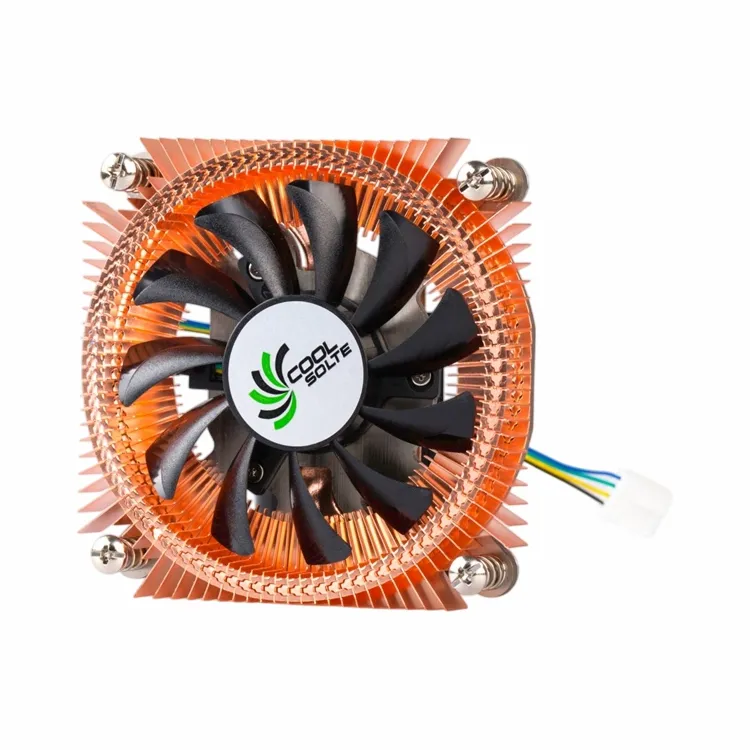
Budget CPU coolers are often more compact than their high - end counterparts. This can be beneficial for servers with limited space, such as small form - factor servers or rack - mounted servers. The Mini Computer Heat Sink for CPU Devices is a great example of a compact budget cooler that can fit into tight spaces without sacrificing too much cooling performance.
Limitations of Using a Budget CPU Cooler for a Server
Limited Cooling Capacity
Budget CPU coolers typically have lower cooling capacities compared to high - end coolers. They may not be able to handle the heat generated by high - performance CPUs or servers running heavy workloads. If the cooler cannot dissipate the heat effectively, the CPU temperature will rise, leading to thermal throttling and potential hardware damage.
Noise Levels
Some budget CPU coolers may produce more noise than high - end models. To compensate for their limited cooling capacity, they may need to run their fans at higher speeds, resulting in increased noise levels. This can be a problem in environments where noise is a concern, such as offices or home settings.

Durability
Budget coolers may not be as durable as high - end coolers. They may use lower - quality materials or have less robust construction, which can lead to premature failure. In a server environment where reliability is crucial, a cooler that fails can cause significant downtime and potential data loss.
Factors to Consider When Choosing a Budget CPU Cooler for a Server
Compatibility
Ensure that the cooler is compatible with your server's CPU socket type. Different CPUs use different socket designs, and using an incompatible cooler can result in poor cooling performance or even physical damage to the CPU.
Cooling Performance
Look for a cooler with a high enough cooling capacity to handle your server's CPU TDP. Check the cooler's specifications, such as the fan speed, airflow, and heat dissipation capacity. The CPU Heat Sink with Fin for Thermoelectric Cooling offers a good balance of cooling performance and affordability.
Noise Level
If noise is a concern, choose a cooler with a low noise level. Some coolers are designed to operate quietly, even at high speeds. Look for coolers with features such as low - noise fans or advanced fan control systems.
Build Quality
Consider the build quality of the cooler. Look for coolers made from high - quality materials and with a solid construction. A well - built cooler is more likely to be durable and reliable.
Conclusion
In conclusion, it is possible to use a budget CPU cooler for a server build, but it depends on several factors. For servers with light workloads and limited budgets, a budget cooler can be a viable option. However, for servers running heavy workloads or high - performance CPUs, a high - end cooler may be necessary to ensure optimal performance and reliability.
As a supplier of the Best Budget CPU Coolers, we offer a wide range of cooling solutions that are designed to meet the needs of different server builds. Our products are carefully selected for their performance, affordability, and reliability. If you are interested in learning more about our budget CPU coolers or have any questions about choosing the right cooler for your server, we encourage you to contact us for a procurement discussion. We are committed to helping you find the best cooling solution for your server at a competitive price.
References
- "PC Hardware Handbook" by Andrew Tanenbaum
- Online forums and communities discussing server hardware and cooling solutions