

As a supplier of a heat sink company, I am often asked whether we can produce heat sinks with high-power density. This question is not only relevant to the technological capabilities of our company but also to the evolving needs of various industries, especially those dealing with high-performance electronic devices. In this blog post, I will delve into the topic, exploring the feasibility, challenges, and solutions related to manufacturing heat sinks with high-power density.
Understanding High-Power Density Heat Sinks
Before we discuss whether our heat sink company can produce high-power density heat sinks, it's essential to understand what high-power density means in the context of heat sinks. Power density refers to the amount of power that can be dissipated per unit volume or area of a heat sink. High-power density heat sinks are designed to efficiently transfer large amounts of heat from a compact source, such as a high-performance CPU or GPU. These heat sinks are crucial in applications where space is limited, and the heat generated by the device is substantial.
The Feasibility of Producing High-Power Density Heat Sinks
The short answer is yes, our heat sink company can produce heat sinks with high-power density. Over the years, we have invested heavily in research and development, state-of-the-art manufacturing equipment, and a highly skilled workforce. These investments have enabled us to develop advanced heat sink designs and manufacturing processes that can meet the demanding requirements of high-power density applications.
One of the key factors that make it possible for us to produce high-power density heat sinks is our expertise in materials selection. We use high-quality materials, such as aluminum and copper, which have excellent thermal conductivity. Aluminum is lightweight and cost-effective, making it a popular choice for many heat sink applications. Copper, on the other hand, has even higher thermal conductivity than aluminum, but it is more expensive and heavier. By carefully selecting the appropriate material based on the specific requirements of the application, we can optimize the heat transfer performance of our heat sinks.
In addition to materials selection, our company also employs advanced manufacturing techniques to produce high-power density heat sinks. For example, we use precision machining processes to create complex fin structures that increase the surface area of the heat sink, thereby enhancing its heat dissipation capabilities. We also use advanced bonding techniques to ensure a strong and reliable connection between the heat sink and the heat source, minimizing thermal resistance and improving heat transfer efficiency.
Challenges in Producing High-Power Density Heat Sinks
While it is feasible for our heat sink company to produce high-power density heat sinks, there are several challenges that we need to overcome. One of the main challenges is the design complexity. High-power density heat sinks often require intricate designs to maximize heat transfer efficiency while minimizing the size and weight of the heat sink. These designs can be difficult to develop and manufacture, requiring advanced engineering skills and specialized equipment.
Another challenge is the cost. Producing high-power density heat sinks typically requires the use of high-quality materials and advanced manufacturing processes, which can increase the cost of production. In addition, the design and testing of high-power density heat sinks can be time-consuming and expensive, further adding to the overall cost. To address this challenge, we work closely with our customers to understand their specific requirements and develop cost-effective solutions that meet their needs.
Solutions to Overcome the Challenges
To overcome the challenges associated with producing high-power density heat sinks, our heat sink company has implemented several strategies. First, we have established a dedicated research and development team that focuses on developing new heat sink designs and manufacturing processes. This team works closely with our customers to understand their specific requirements and develop customized solutions that meet their needs.

Second, we have invested in advanced manufacturing equipment and technologies to improve the efficiency and quality of our production processes. For example, we use computer numerical control (CNC) machining centers to produce high-precision heat sink components, and we use automated assembly lines to ensure consistent and reliable production.
Third, we have implemented a rigorous quality control system to ensure that all our heat sinks meet the highest standards of quality and performance. This system includes in-process inspections, final inspections, and performance testing to ensure that each heat sink meets the specified requirements.
Examples of High-Power Density Heat Sinks
To illustrate the capabilities of our heat sink company, here are some examples of high-power density heat sinks that we have produced:
- Mini Computer Heat Sink for CPU Devices: This heat sink is designed for use in mini computers and other small form factor devices. It features a compact design and high thermal conductivity, making it ideal for dissipating heat from high-performance CPUs.
- Black Anodized Aluminum Heat Sink for CPU: This heat sink is made of high-quality aluminum and features a black anodized finish, which not only enhances its appearance but also provides additional corrosion resistance. It is designed for use in CPUs and other high-power electronic devices.
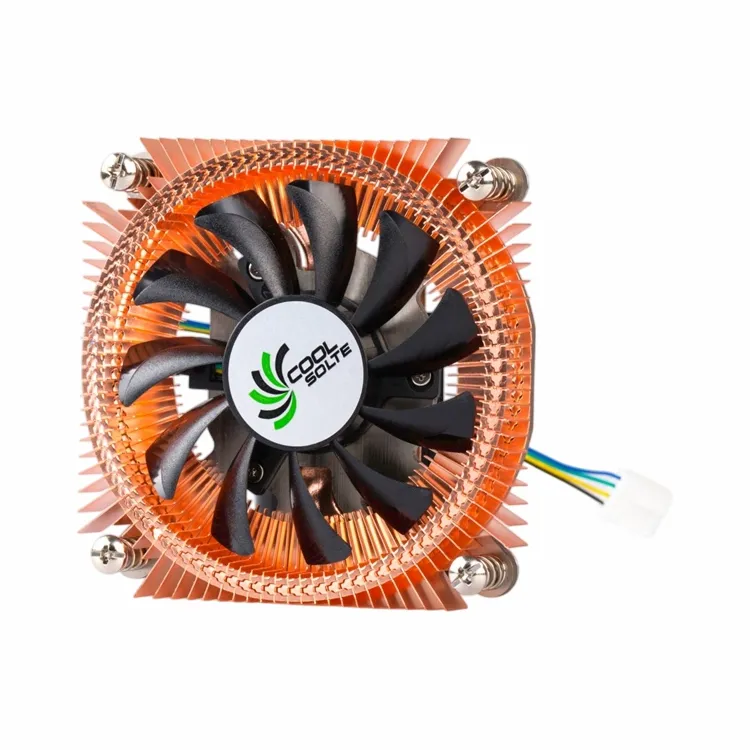
- CPU Cooling Fan with Heatsink: This heat sink includes a built-in cooling fan, which provides additional airflow and enhances the heat dissipation capabilities of the heat sink. It is designed for use in CPUs and other high-power electronic devices that require active cooling.
Conclusion
In conclusion, our heat sink company has the expertise, technology, and resources to produce heat sinks with high-power density. While there are challenges associated with producing these heat sinks, we have implemented several strategies to overcome these challenges and provide our customers with high-quality, cost-effective solutions. If you are in need of high-power density heat sinks for your application, we encourage you to contact us to discuss your specific requirements and explore how we can help you. We look forward to the opportunity to work with you and provide you with the best heat sink solutions for your needs.
References
- Incropera, F. P., & DeWitt, D. P. (2002). Fundamentals of Heat and Mass Transfer. Wiley.
- Holman, J. P. (2002). Heat Transfer. McGraw-Hill.
- Kraus, A. D., & Bar-Cohen, A. (1995). Design and Analysis of Heat Sinks. Wiley.